Who's In My Yard

Recording period · Umina Beach, NSW

23 Nov 15:12 to 24 Nov 2026 08:42

Steve Balcony, Umina Beach, NSW: 5.8 hours of sound in 351 one-minute recordings at 192 kHz, medium gain. Sunrise 5:40, sunset 19:42.

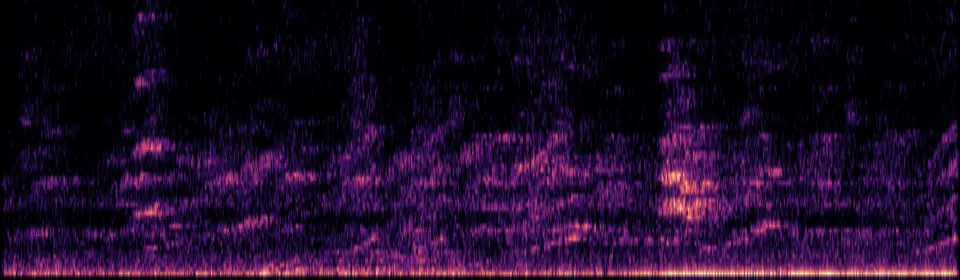
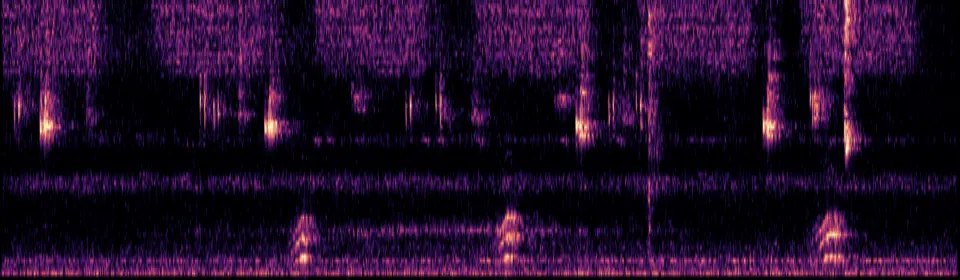
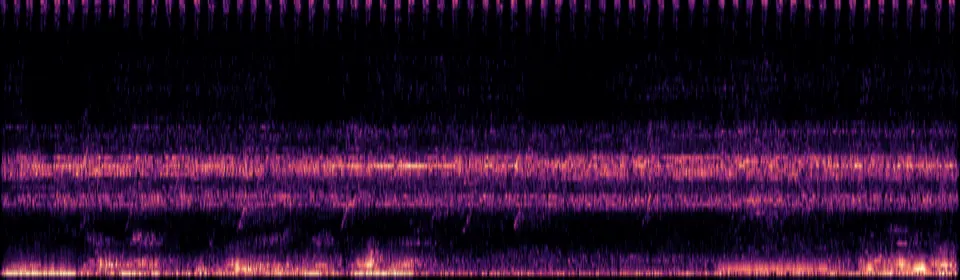
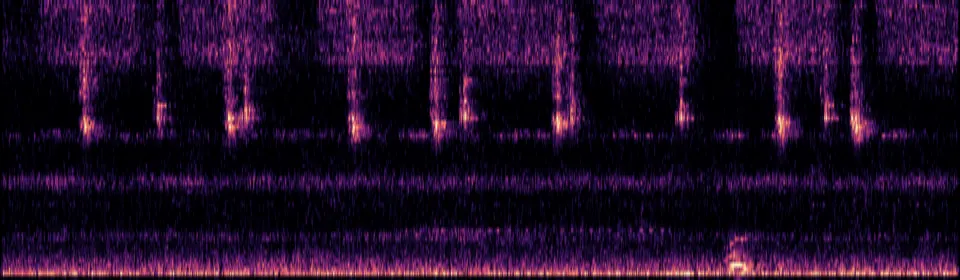
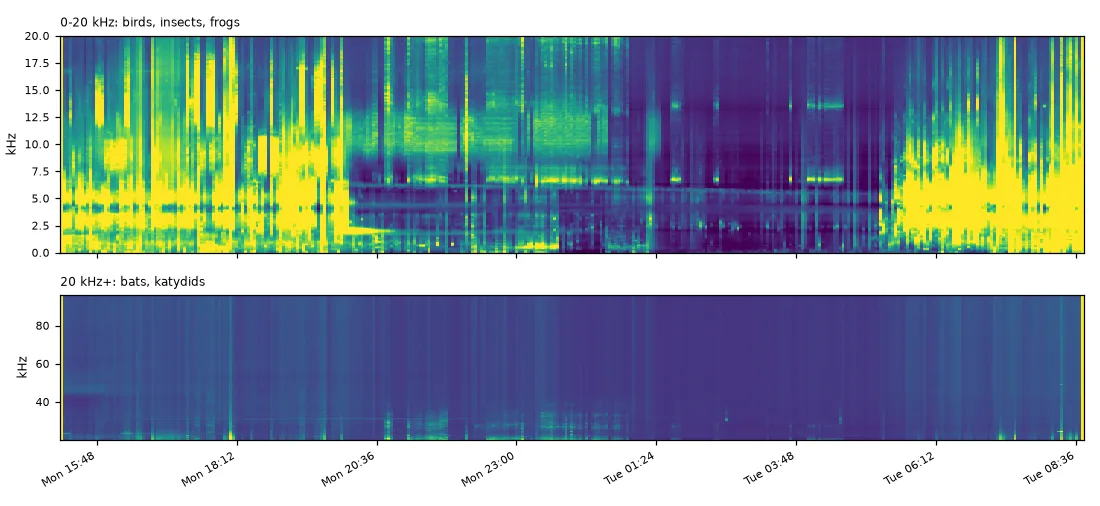
Long-duration spectrogram of the whole recording period
The whole period at a glance. Each column is one recording; brighter means louder than usual at that frequency.

Through the day

Detections per hour for each group, each row on its own scale so quiet groups still show. Night is shaded.

Birds 00:00, Birds: 3 04:00, Birds: 11 05:00, Birds: 294 06:00, Birds: 504 07:00, Birds: 362 08:00, Birds: 308 15:00, Birds: 142 16:00, Birds: 172 17:00, Birds: 152 18:00, Birds: 244 19:00, Birds: 274 20:00, Birds: 14 22:00, Birds: 1 Mammals 00:00, Mammals: 19 23:00, Mammals: 35 Frogs 00:00, Frogs: 34 01:00, Frogs: 6 02:00, Frogs: 4 03:00, Frogs: 2 05:00, Frogs: 3 18:00, Frogs: 1 20:00, Frogs: 11 21:00, Frogs: 59 22:00, Frogs: 86 23:00, Frogs: 35 Insects 02:00, Insects: 2 15:00, Insects: 7 16:00, Insects: 19 17:00, Insects: 29 18:00, Insects: 4 19:00, Insects: 10 20:00, Insects: 6 21:00, Insects: 2 Bats 00:00, Bats: 2 01:00, Bats: 3 02:00, Bats: 6 04:00, Bats: 2 20:00, Bats: 2 0003060912151821

Heard in this period

Birds 25

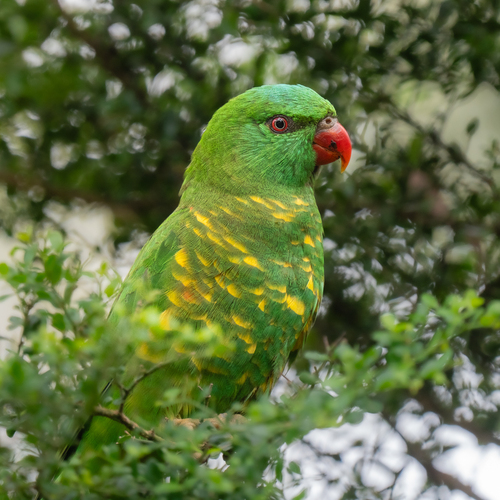
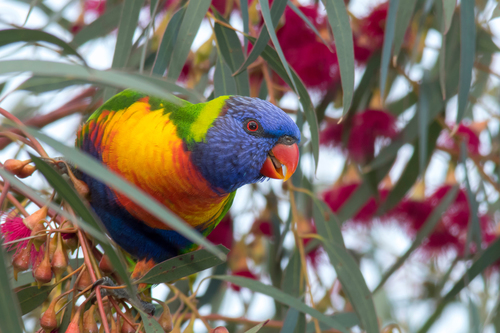
Rainbow LorikeetTrichoglossus moluccanus Confident 1013
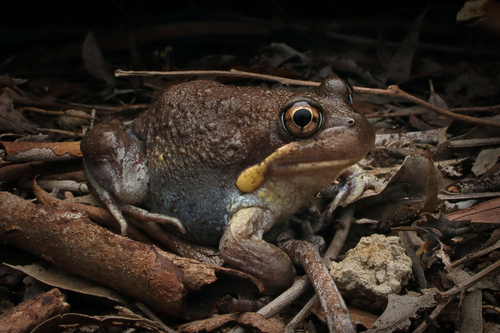
Rainbow Lorikeet
(c) Andrew Allen, some rights reserved (CC BY), uploaded by Andrew Allen

The blue-headed, red-breasted lorikeet that fills Central Coast flowering trees and gathers in huge evening roosts.

Call Constant screeching chatter from feeding flocks, loudest at roosts around sunset.

When
Mon 23 Nov 15:15 to Tue 24 Nov 08:39
How often
1013 detections in 111 recordings, 460 confident
Best match
0.98 (BirdNET)
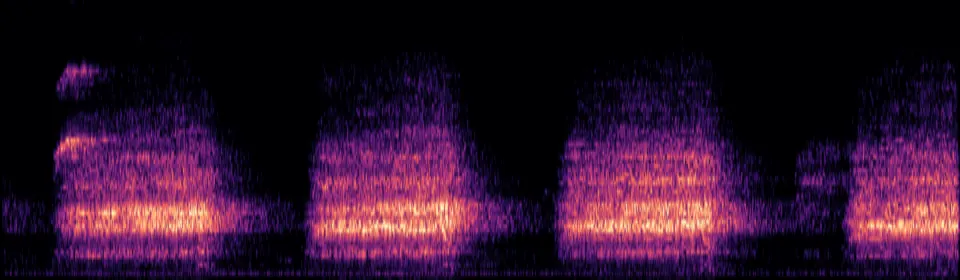
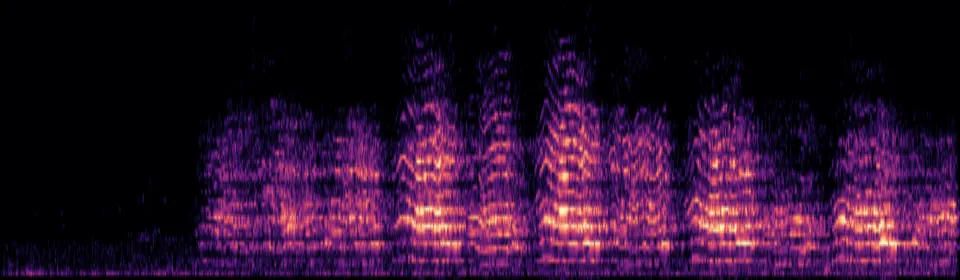
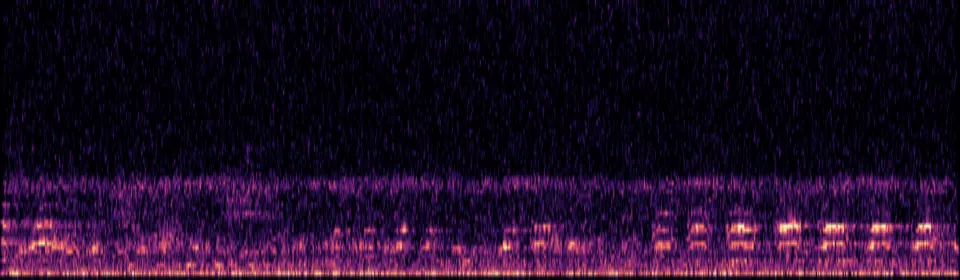
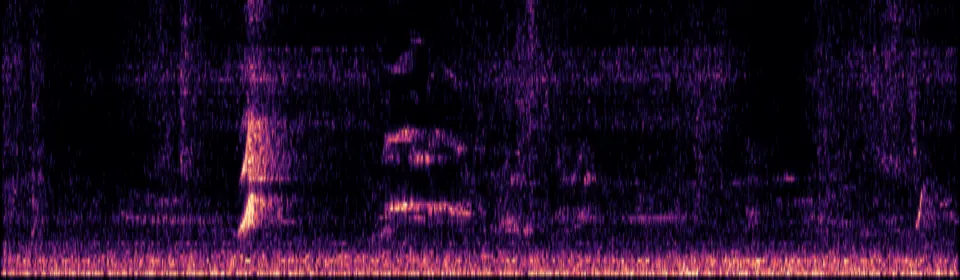
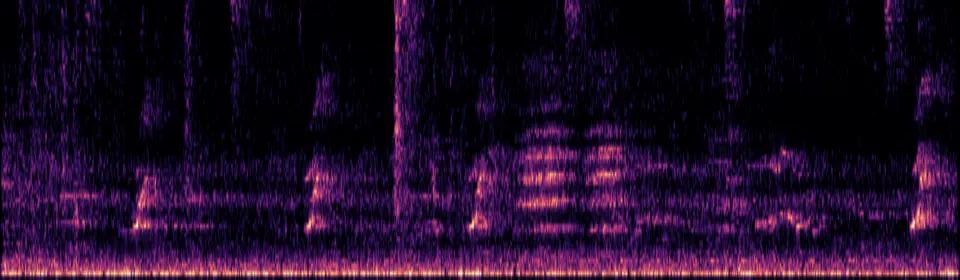
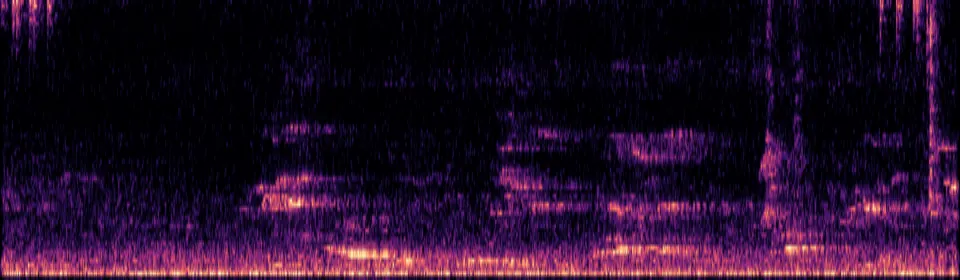
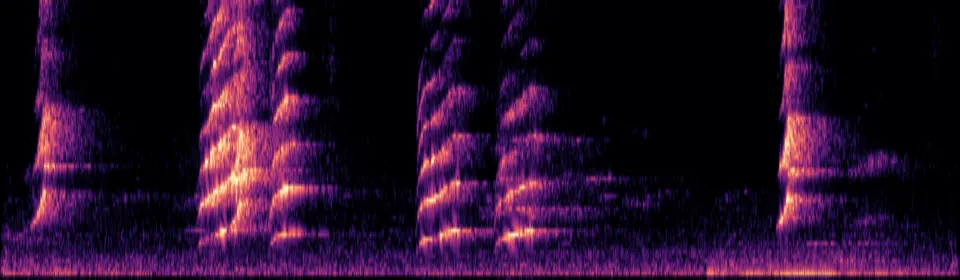
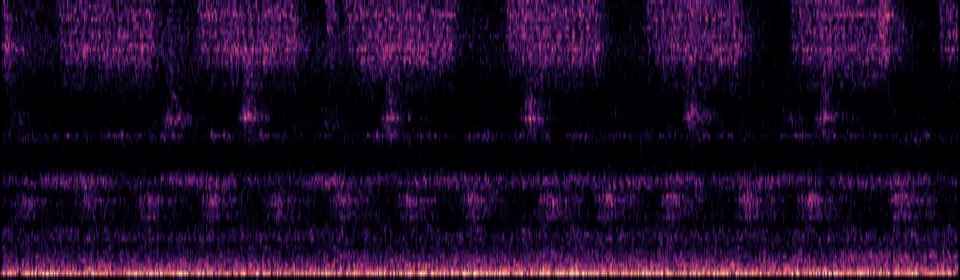
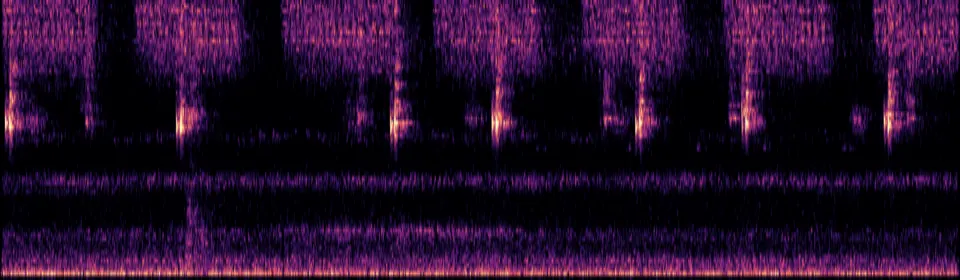
Spectrogram, 0 to 12 kHz over 4 seconds
Tue 24 Nov 06:48 match score 0.98 · 4 s
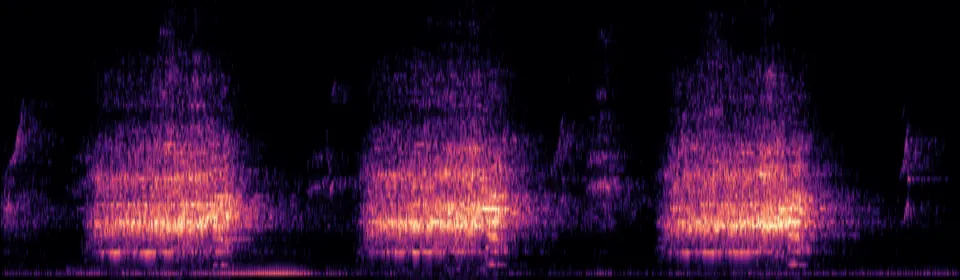
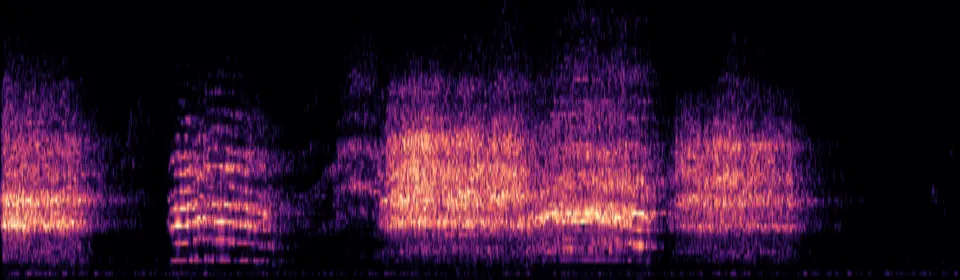
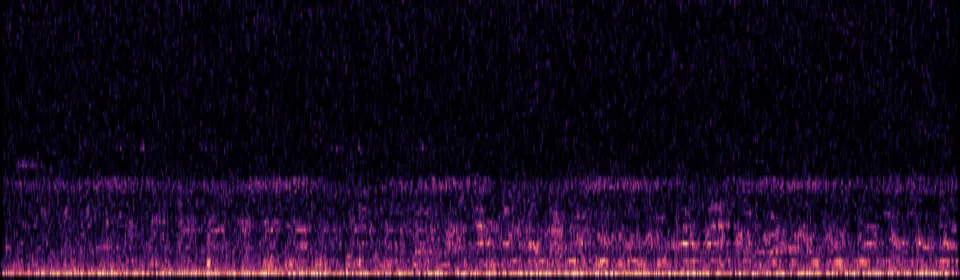
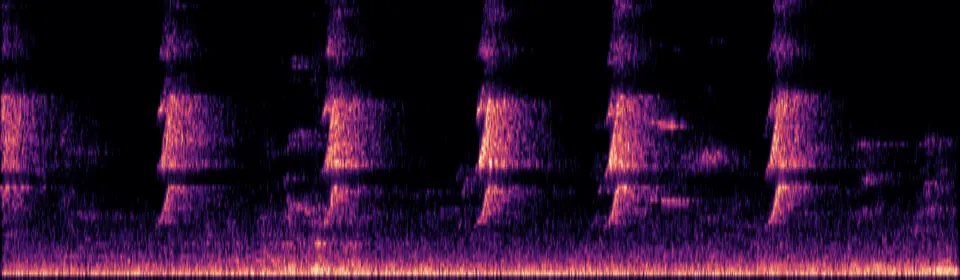
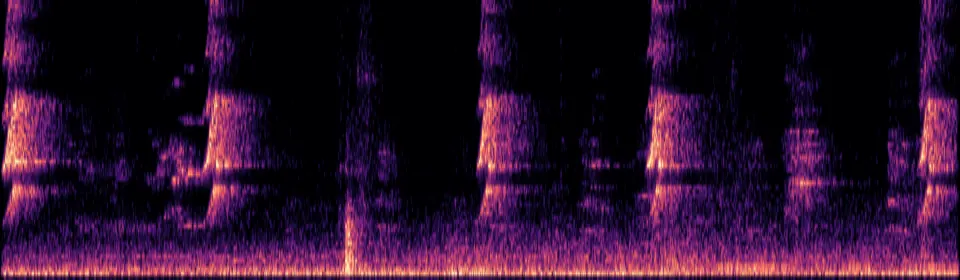
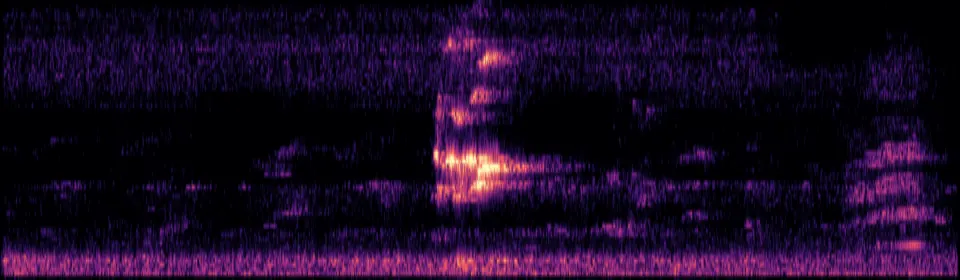
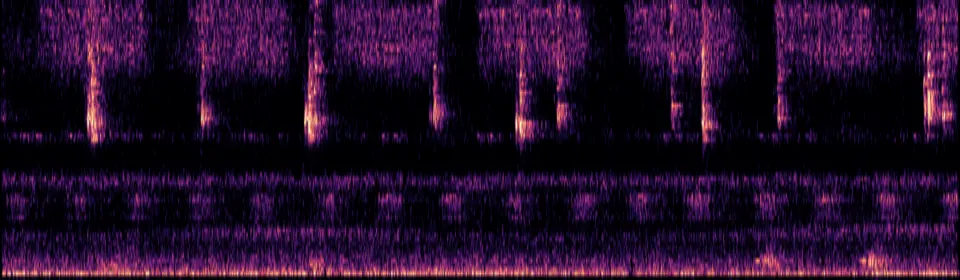
Spectrogram, 0 to 12 kHz over 4 seconds
Tue 24 Nov 06:12 match score 0.98 · 4 s
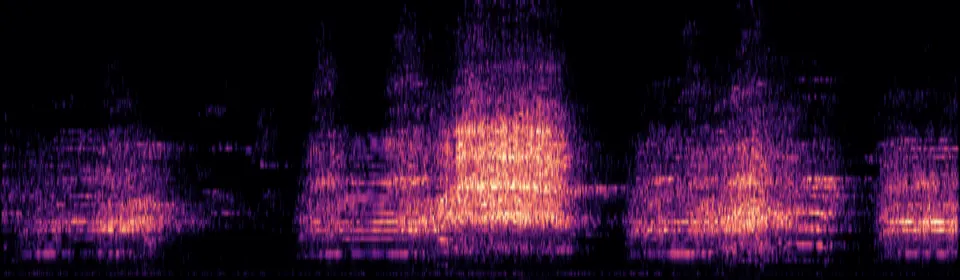
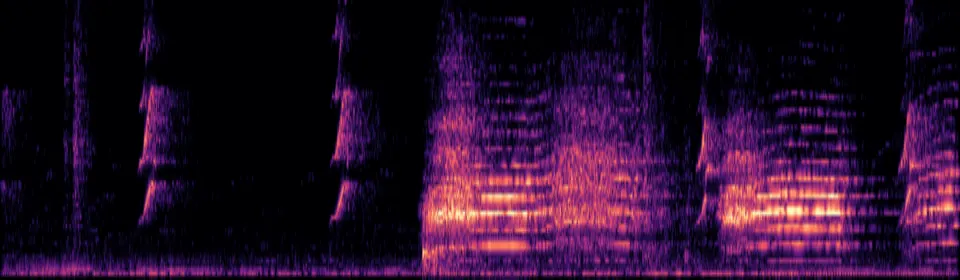
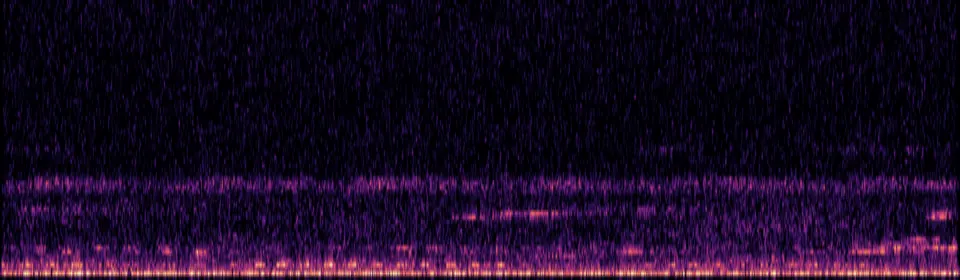
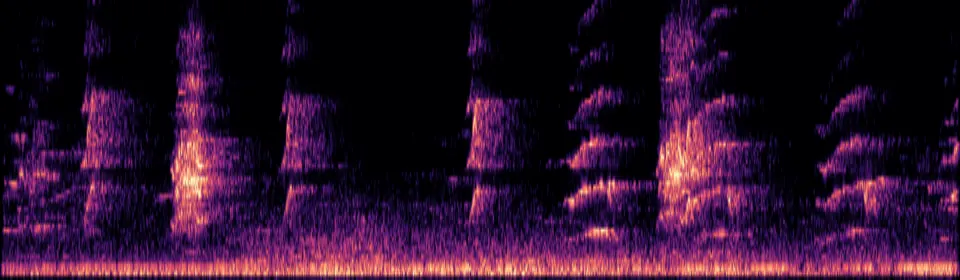
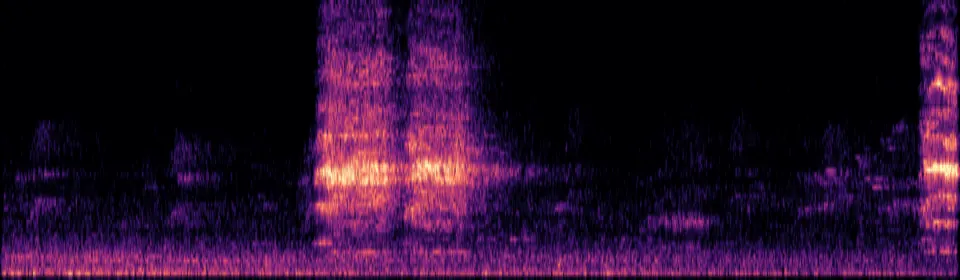
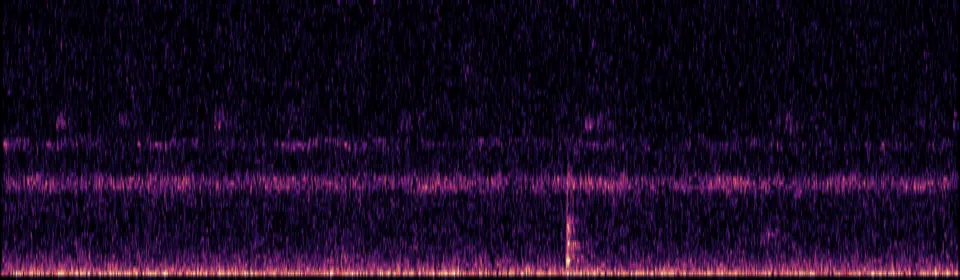
Spectrogram, 0 to 12 kHz over 4 seconds
Tue 24 Nov 05:45 match score 0.96 · 4 s
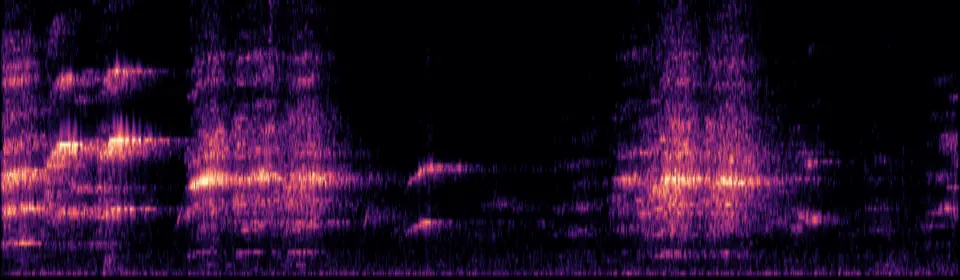
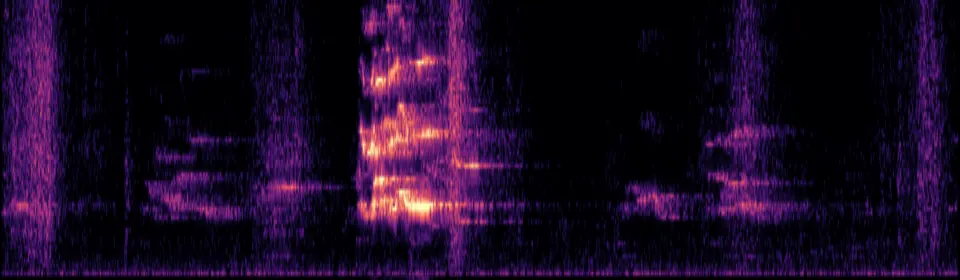
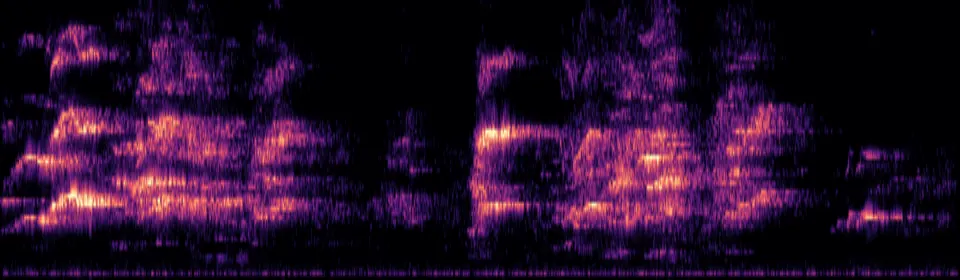
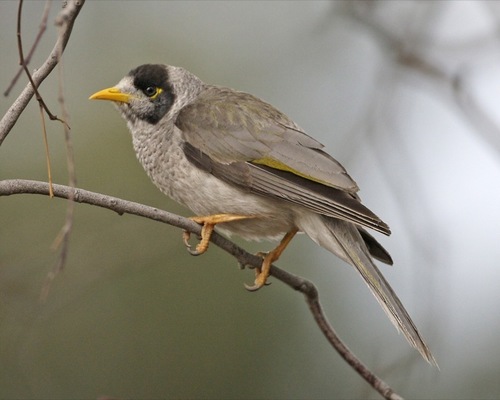
Noisy MinerManorina melanocephala Confident 859
Noisy Miner
(c) Lip Kee Yap, some rights reserved (CC BY-SA)

A grey native honeyeater with a black crown and yellow skin behind the eye. Colonies drive other small birds out of gardens and parks.

Call Constant piping, chattering and loud scolding alarm calls, 'pwee-pwee-pwee'.

When
Mon 23 Nov 15:12 to Tue 24 Nov 08:39
How often
859 detections in 106 recordings, 518 confident
Best match
1.00 (BirdNET)
Spectrogram, 0 to 12 kHz over 4 seconds
Tue 24 Nov 07:33 match score 1.00 · 4 s
Spectrogram, 0 to 12 kHz over 4 seconds
Mon 23 Nov 18:06 match score 1.00 · 4 s
Spectrogram, 0 to 12 kHz over 4 seconds
Tue 24 Nov 07:27 match score 1.00 · 4 s
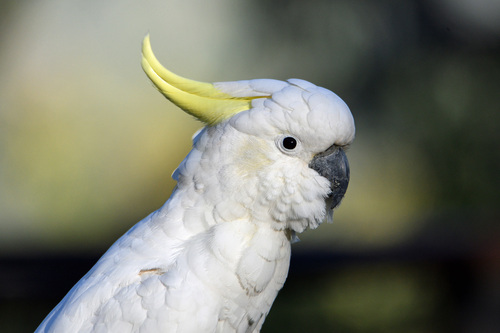
Sulphur-crested CockatooCacatua galerita Confident 232
Sulphur-crested Cockatoo
(c) Peter and Shelly, some rights reserved (CC BY-NC), uploaded by Peter and Shelly

The large white cockatoo with a yellow crest. Flocks roost and feed noisily across the Peninsula and post sentries while they feed.

Call A harsh, ear-splitting screech, loudest at dawn and dusk roosts.

When
Mon 23 Nov 18:39 to Tue 24 Nov 08:30
How often
232 detections in 32 recordings, 181 confident
Best match
1.00 (BirdNET)
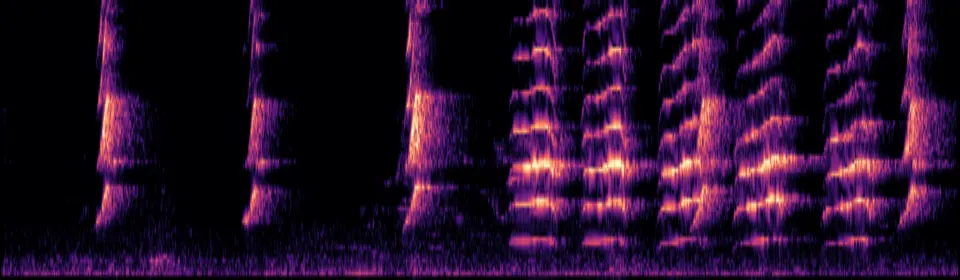
Spectrogram, 0 to 12 kHz over 4 seconds
Tue 24 Nov 06:30 match score 1.00 · 4 s
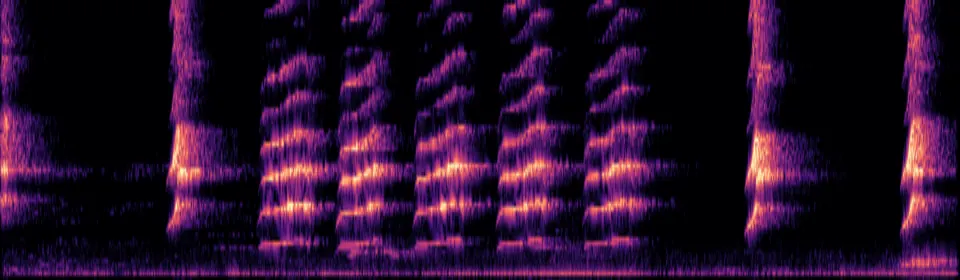
Spectrogram, 0 to 12 kHz over 4 seconds
Tue 24 Nov 06:33 match score 1.00 · 4 s
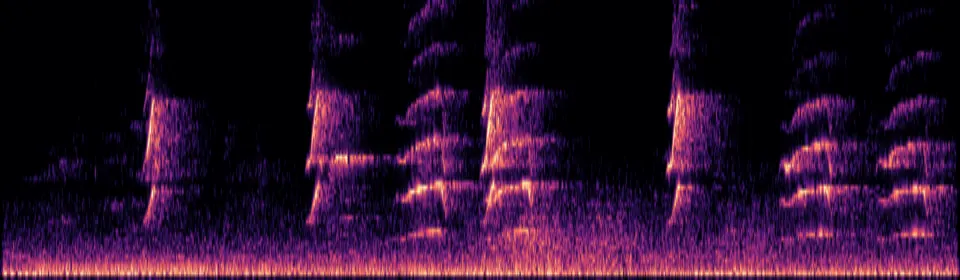
Spectrogram, 0 to 12 kHz over 4 seconds
Tue 24 Nov 06:36 match score 0.99 · 4 s
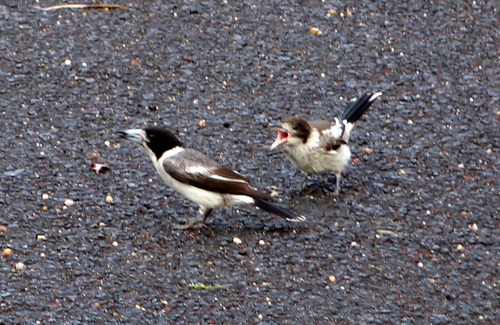
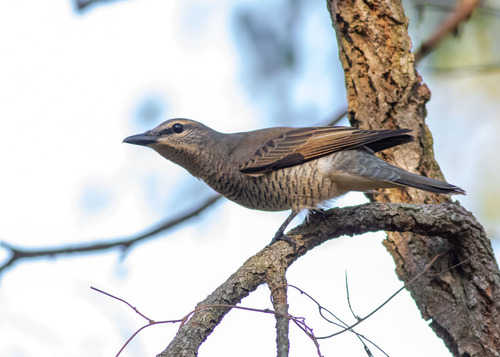
Grey ButcherbirdCracticus torquatus Confident 111
Grey Butcherbird
(c) sea-kangaroo, some rights reserved (CC BY-NC-ND), uploaded by sea-kangaroo

Grey back, black cap and white throat, with a hooked bill it uses on insects, lizards and small birds, sometimes wedging prey in a fork.

Call A loud, rollicking piped song mixed with harsh notes; pairs often duet.

When
Mon 23 Nov 15:18 to Tue 24 Nov 07:42
How often
111 detections in 27 recordings, 62 confident
Best match
1.00 (BirdNET)
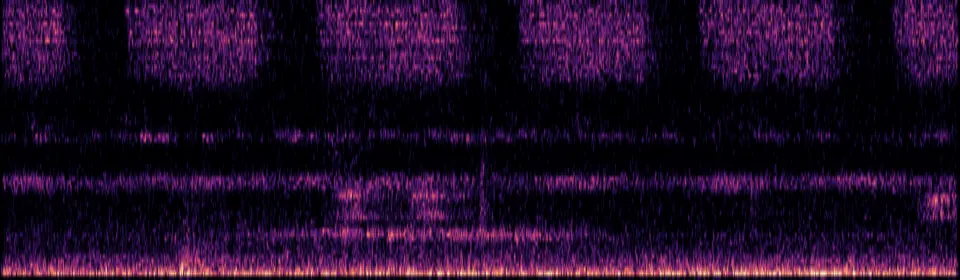
Spectrogram, 0 to 12 kHz over 4 seconds
Mon 23 Nov 19:39 match score 1.00 · 4 s
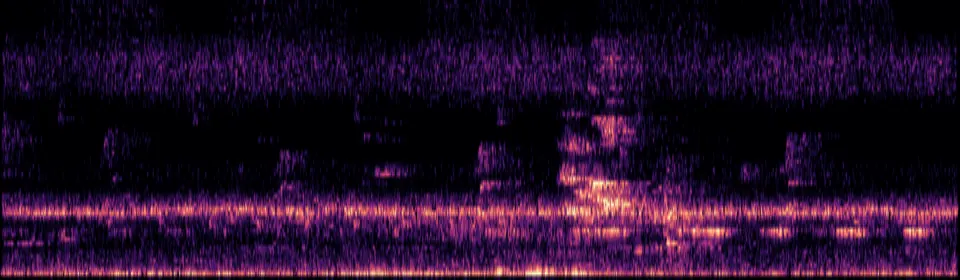
Spectrogram, 0 to 12 kHz over 4 seconds
Mon 23 Nov 20:00 match score 1.00 · 4 s
Spectrogram, 0 to 12 kHz over 4 seconds
Tue 24 Nov 05:30 match score 1.00 · 4 s
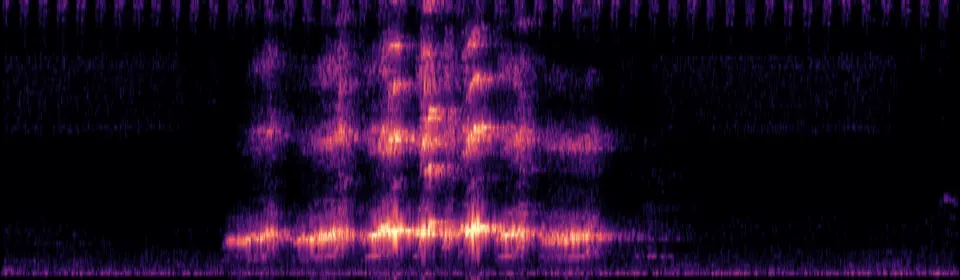
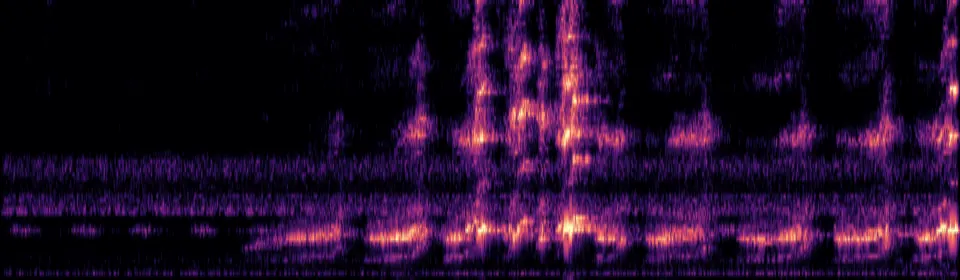
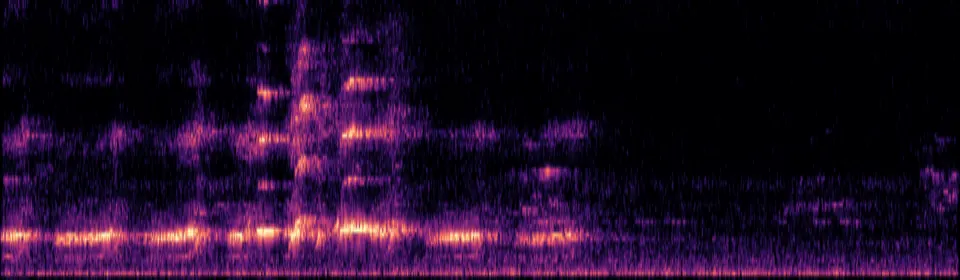
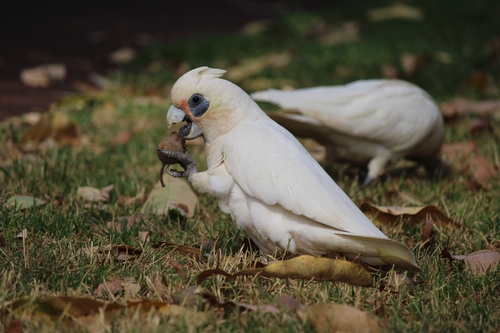
Little CorellaCacatua sanguinea Confident 52
Little Corella
(c) Victoria, some rights reserved (CC BY-NC), uploaded by Victoria

A small white cockatoo with a pink patch between eye and bill and a bluish eye-ring. Has spread into coastal NSW from inland over recent decades.

Call Quavering, wavering screeches from flocks, often in flight.

When
Mon 23 Nov 15:27 to Tue 24 Nov 08:18
How often
52 detections in 15 recordings, 27 confident
Best match
0.96 (BirdNET)
Spectrogram, 0 to 12 kHz over 4 seconds
Mon 23 Nov 15:42 match score 0.96 · 4 s
Spectrogram, 0 to 12 kHz over 4 seconds
Tue 24 Nov 06:36 match score 0.96 · 4 s
Spectrogram, 0 to 12 kHz over 4 seconds
Tue 24 Nov 07:15 match score 0.94 · 4 s
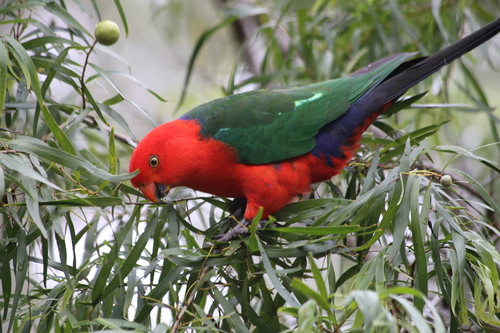
Australian King-ParrotAlisterus scapularis Confident 51
Australian King-Parrot
(c) Carole Riley, some rights reserved (CC BY-NC), uploaded by Carole Riley

Males have a scarlet head and belly with green wings; females are mostly green. Pairs and small groups move between forest and gardens, often tame.

Call A shrill, ringing 'carrack' in flight and long, piping single whistles when perched.

When
Mon 23 Nov 15:54 to Tue 24 Nov 07:51
How often
51 detections in 15 recordings, 24 confident
Best match
0.96 (BirdNET)
Spectrogram, 0 to 12 kHz over 4 seconds
Mon 23 Nov 19:54 match score 0.96 · 4 s
Spectrogram, 0 to 12 kHz over 3.5 seconds
Mon 23 Nov 19:51 match score 0.95 · 3.5 s
Spectrogram, 0 to 12 kHz over 4 seconds
Mon 23 Nov 18:48 match score 0.92 · 4 s
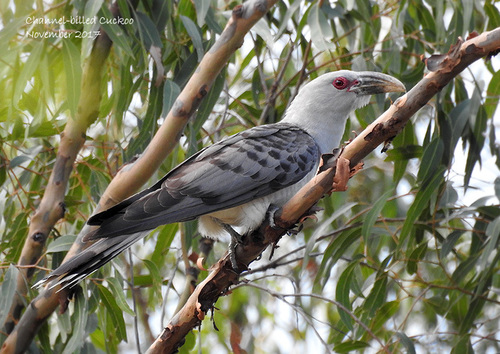
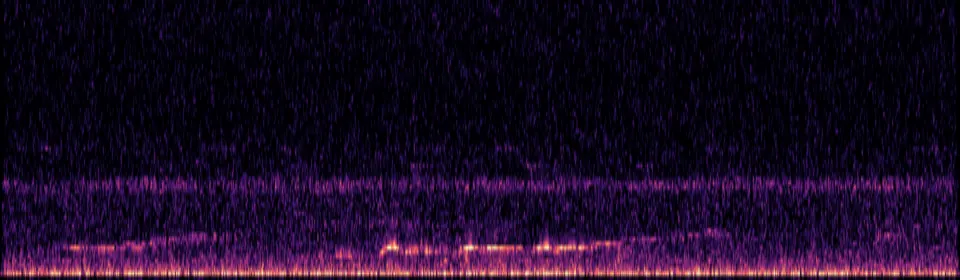
Channel-billed CuckooScythrops novaehollandiae Confident 43
Channel-billed Cuckoo
(c) Marie Tarrant, some rights reserved (CC BY-NC), uploaded by Marie Tarrant

The world's largest parasitic cuckoo, with a huge pale bill. Arrives in spring and lays its eggs in the nests of ravens, currawongs and magpies.

Call A loud, raucous, screaming 'kawk', often given in flight and at night.

When
Mon 23 Nov 18:27 to Tue 24 Nov 07:06
How often
43 detections in 6 recordings, 30 confident
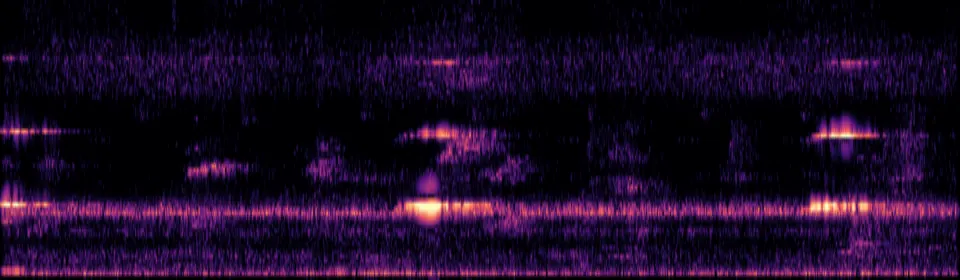
Best match
1.00 (BirdNET)
Spectrogram, 0 to 12 kHz over 4 seconds
Tue 24 Nov 05:51 match score 1.00 · 4 s
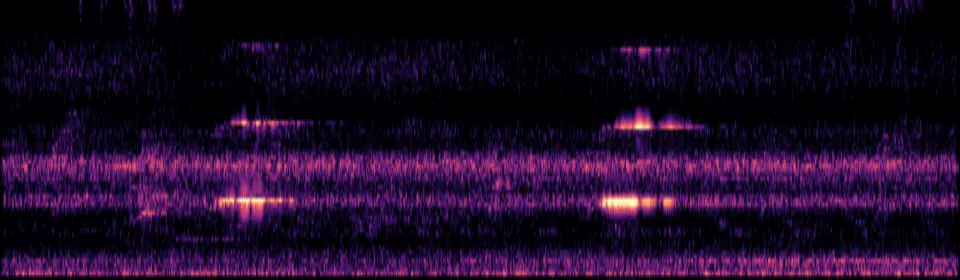
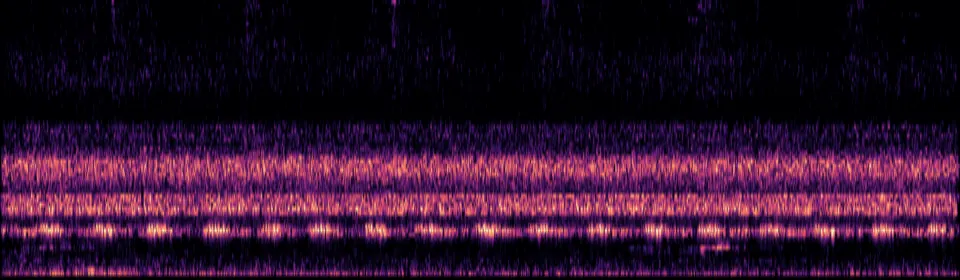
Spectrogram, 0 to 12 kHz over 4 seconds
Mon 23 Nov 18:27 match score 1.00 · 4 s
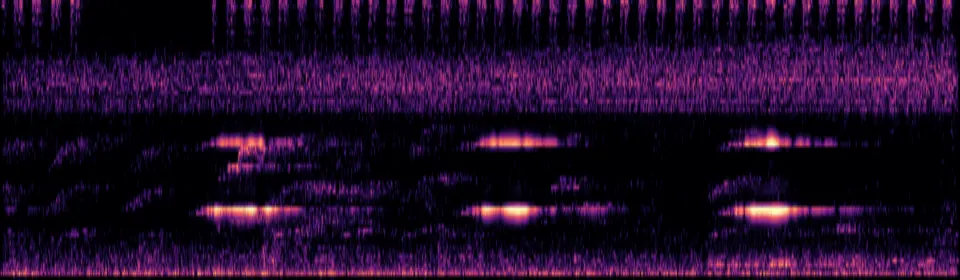
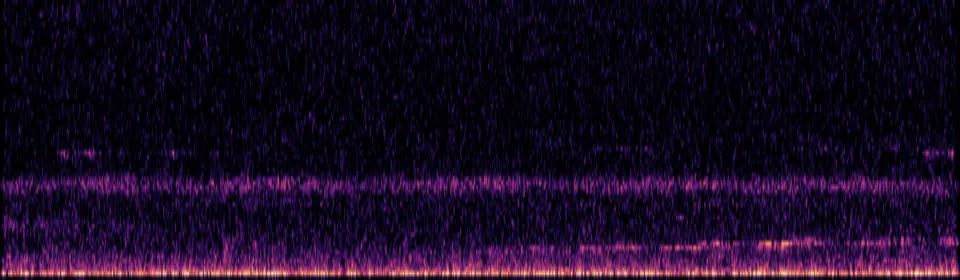
Spectrogram, 0 to 12 kHz over 4 seconds
Tue 24 Nov 07:00 match score 1.00 · 4 s
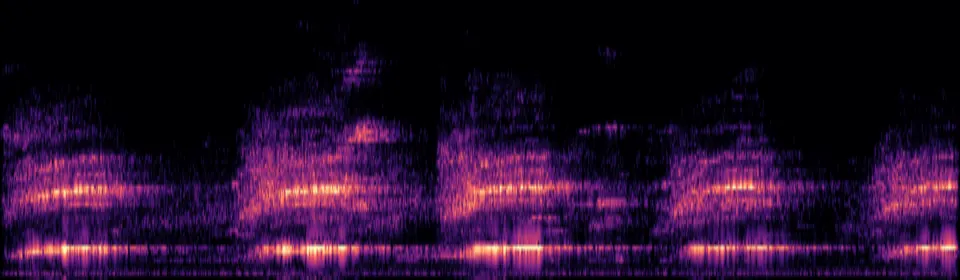
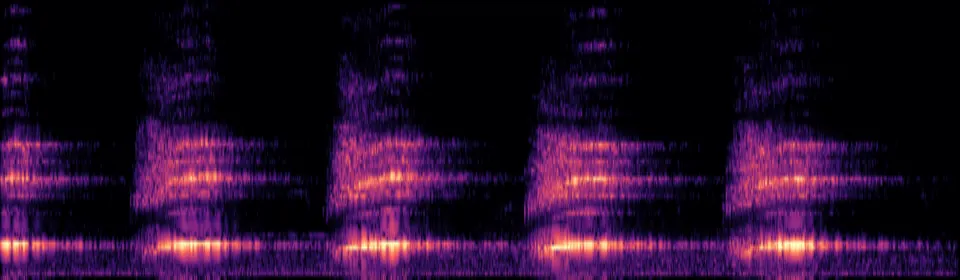
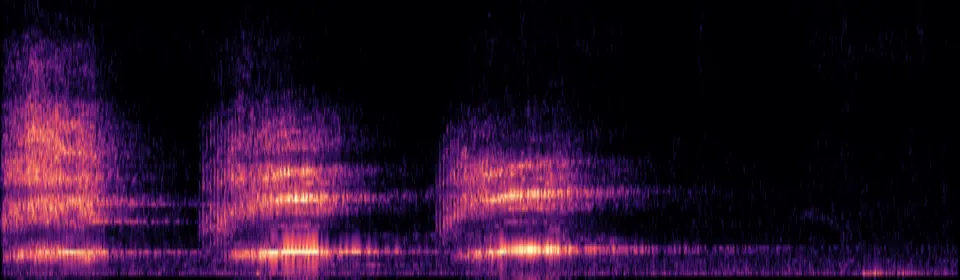
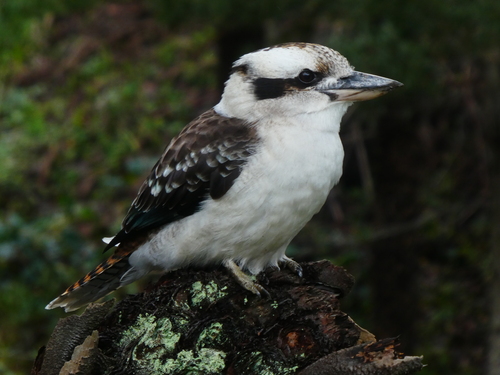
Laughing KookaburraDacelo novaeguineae Confident 25
Laughing Kookaburra
(c) Elliot Blythman, some rights reserved (CC BY-NC), uploaded by Elliot Blythman

The largest kingfisher. Family groups hold a territory year-round and help raise the young.

Call The famous laughing chorus, 'koo-koo-koo-ha-ha-ha', rising and falling, often at dawn and dusk to mark the territory.

When
Tue 24 Nov 04:57 to Tue 24 Nov 05:27
How often
25 detections in 5 recordings, 13 confident
Best match
0.92 (BirdNET)
Spectrogram, 0 to 12 kHz over 4 seconds
Tue 24 Nov 04:57 match score 0.92 · 4 s
Spectrogram, 0 to 12 kHz over 4 seconds
Tue 24 Nov 05:09 match score 0.84 · 4 s
Spectrogram, 0 to 12 kHz over 4 seconds
Tue 24 Nov 05:12 match score 0.53 · 4 s
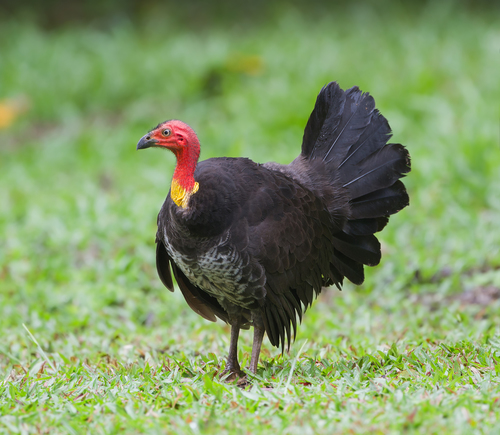
Australian BrushturkeyAlectura lathami Confident 21
Australian Brushturkey
(c) JJ Harrison, some rights reserved (CC BY)

A big black mound-builder with a bare red head. Males rake leaf litter into a compost mound up to a metre high and let its heat incubate the eggs. Common in Central Coast gardens and bush.

Call Mostly quiet. Low grunts and clucks, plus the scratching and rustling of a male working his mound.

When
Mon 23 Nov 16:24 to Tue 24 Nov 08:33
How often
21 detections in 12 recordings, 3 confident
Best match
0.83 (BirdNET)
Spectrogram, 0 to 12 kHz over 4 seconds
Mon 23 Nov 16:54 match score 0.83 · 4 s
Spectrogram, 0 to 12 kHz over 4 seconds
Mon 23 Nov 16:51 match score 0.62 · 4 s
Spectrogram, 0 to 12 kHz over 4 seconds
Mon 23 Nov 16:57 match score 0.49 · 4 s
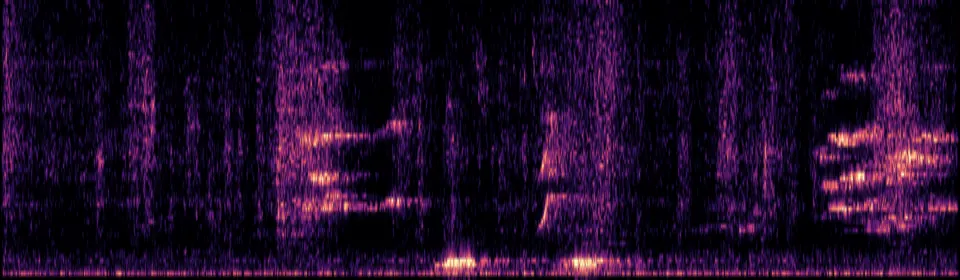
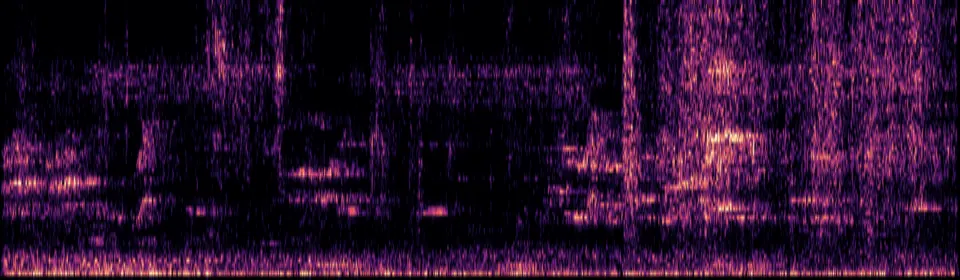
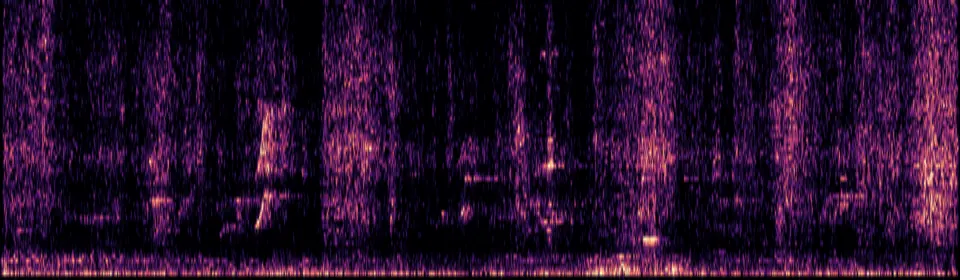
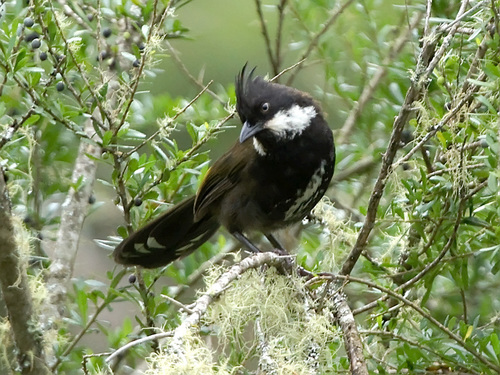
Eastern WhipbirdPsophodes olivaceus Confident 15
Eastern Whipbird
(c) David Cook, some rights reserved (CC BY-NC)

A dark olive skulker with a black crest and white cheeks, heard far more often than seen in dense undergrowth.

Call The whip-crack: the male's long note ending in a sharp crack, answered at once by the female's 'choo-choo'.

When
Tue 24 Nov 05:21 to Tue 24 Nov 08:24
How often
15 detections in 7 recordings, 4 confident
Best match
0.61 (BirdNET)
Spectrogram, 0 to 12 kHz over 3.5 seconds
Tue 24 Nov 05:27 match score 0.61 · 3.5 s
Spectrogram, 0 to 12 kHz over 4 seconds
Tue 24 Nov 05:24 match score 0.55 · 4 s
Spectrogram, 0 to 12 kHz over 4 seconds
Tue 24 Nov 08:24 match score 0.52 · 4 s
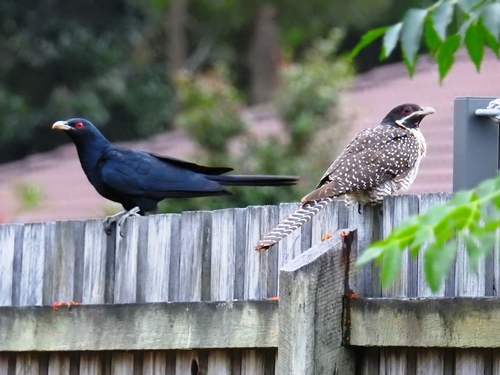
Pacific KoelEudynamys orientalis Confident 14
Pacific Koel
(c) Pam Day, some rights reserved (CC BY-NC), uploaded by Pam Day

A cuckoo that arrives from New Guinea in spring and lays its eggs in the nests of wattlebirds and friarbirds. Males are glossy black with a red eye; females are brown and spotted.

Call The male's rising 'coo-eee' or 'wurra-wurra', repeated day and night through summer.

When
Mon 23 Nov 20:03 to Tue 24 Nov 05:06
How often
14 detections in 4 recordings, 7 confident
Best match
0.91 (BirdNET)
Spectrogram, 0 to 12 kHz over 4 seconds
Tue 24 Nov 05:06 match score 0.91 · 4 s
Spectrogram, 0 to 12 kHz over 4 seconds
Mon 23 Nov 20:03 match score 0.55 · 4 s
Spectrogram, 0 to 12 kHz over 3.5 seconds
Tue 24 Nov 05:00 match score 0.30 · 3.5 s
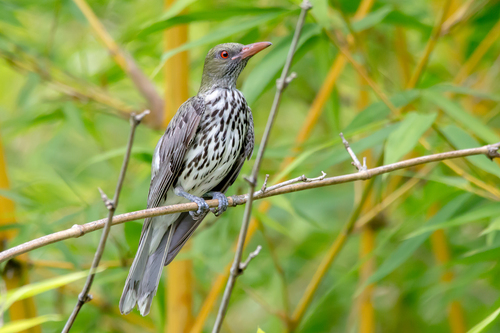
Olive-backed OrioleOriolus sagittatus Confident 7
Olive-backed Oriole
(c) Andrew Allen, some rights reserved (CC BY), uploaded by Andrew Allen

Olive above, streaked below, with a red bill and eye. Moves through the canopy eating fruit and insects.

Call A rolling, liquid 'orry-orry-ole', and some mimicry.

When
Mon 23 Nov 15:24 to Mon 23 Nov 15:24
How often
7 detections in 1 recording, 2 confident
Best match
0.70 (BirdNET)
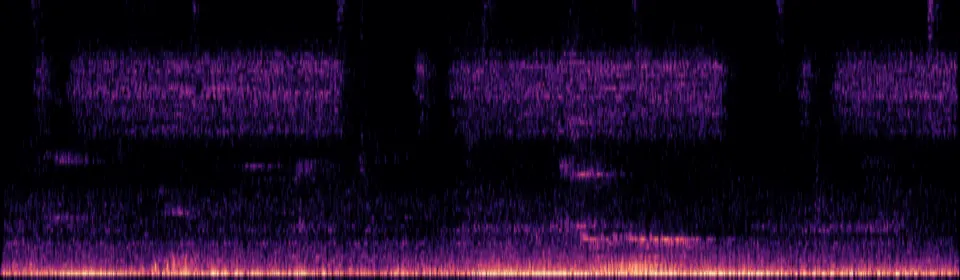
Spectrogram, 0 to 12 kHz over 4 seconds
Mon 23 Nov 15:24 match score 0.70 · 4 s
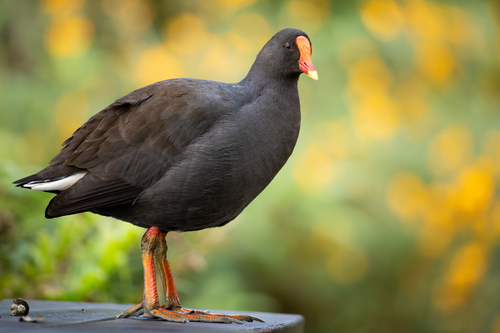
Dusky MoorhenGallinula tenebrosa Confident 4
Dusky Moorhen
(c) Michael Long, some rights reserved (CC BY-NC), uploaded by Michael Long

A dark waterbird with a red forehead shield and bill, on ponds and creeks. A record from a balcony with no water in sight is worth checking.

Call A sharp, loud 'kurk' and crowing calls from wetlands.

When
Mon 23 Nov 16:15 to Tue 24 Nov 08:09
How often
4 detections in 3 recordings, 2 confident
Best match
0.60 (BirdNET)
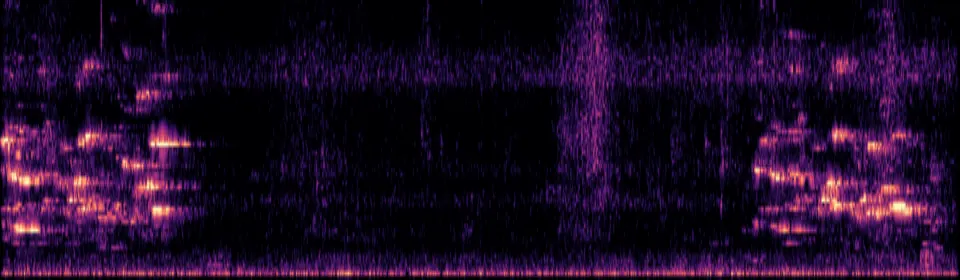
Spectrogram, 0 to 12 kHz over 4 seconds
Mon 23 Nov 16:15 match score 0.60 · 4 s
Spectrogram, 0 to 12 kHz over 4 seconds
Mon 23 Nov 17:06 match score 0.56 · 4 s
Spectrogram, 0 to 12 kHz over 4 seconds
Tue 24 Nov 08:09 match score 0.32 · 4 s
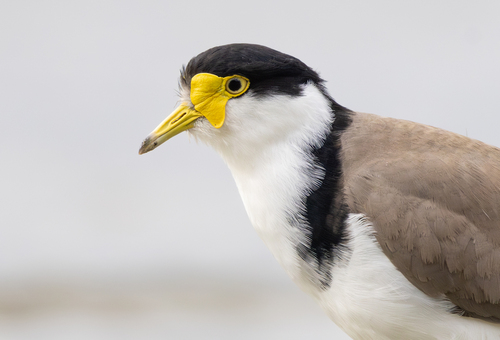
Masked LapwingVanellus miles Confident 4
Masked Lapwing
(c) Caiden, some rights reserved (CC BY-NC), uploaded by Caiden

A plover with yellow facial wattles that nests on open ground, including school ovals and roundabouts, and defends the nest hard.

Call A loud, strident 'kek-kek-kek' rattle, often at night.

When
Mon 23 Nov 17:30 to Tue 24 Nov 00:18
How often
4 detections in 2 recordings, 1 confident
Best match
0.53 (BirdNET)
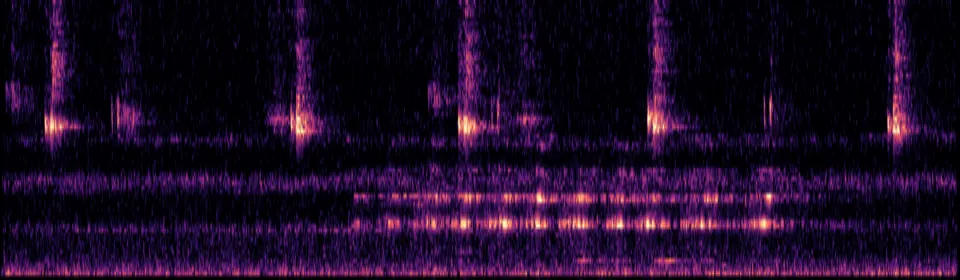
Spectrogram, 0 to 12 kHz over 4 seconds
Tue 24 Nov 00:18 match score 0.53 · 4 s
Spectrogram, 0 to 12 kHz over 4 seconds
Mon 23 Nov 17:30 match score 0.26 · 4 s
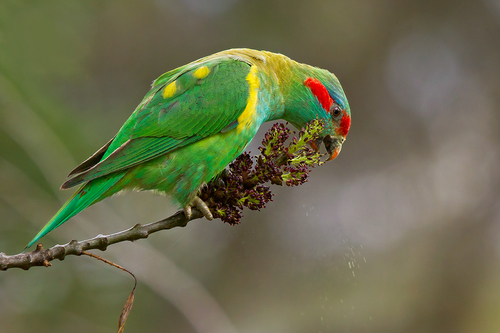
Musk LorikeetGlossopsitta concinna Possible 5
Musk Lorikeet
(c) patrickkavanagh, some rights reserved (CC BY)

A green lorikeet with a red forehead and red ear band. Feeds in flowering eucalypts alongside rainbow lorikeets.

Call A shrill, metallic screech, thinner than a rainbow lorikeet's.

When
Tue 24 Nov 07:30 to Tue 24 Nov 08:12
How often
5 detections in 3 recordings
Best match
0.31 (BirdNET)
Spectrogram, 0 to 12 kHz over 4 seconds
Tue 24 Nov 08:12 match score 0.31 · 4 s
Spectrogram, 0 to 12 kHz over 4 seconds
Tue 24 Nov 07:30 match score 0.29 · 4 s
Spectrogram, 0 to 12 kHz over 4 seconds
Tue 24 Nov 08:06 match score 0.28 · 4 s
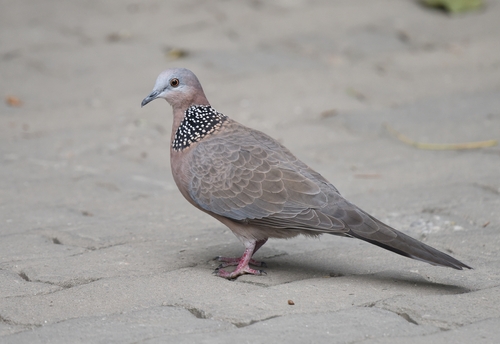
Spotted DoveStreptopelia chinensis Possible 5
Spotted Dove
(c) Zinogre, some rights reserved (CC BY-SA), uploaded by Zinogre

An introduced dove from southern Asia, with a black collar spotted white. Common in suburbs.

Call A soft, mournful 'coo-coo-croo'.

When
Mon 23 Nov 18:12 to Tue 24 Nov 06:09
How often
5 detections in 3 recordings
Best match
0.37 (BirdNET)
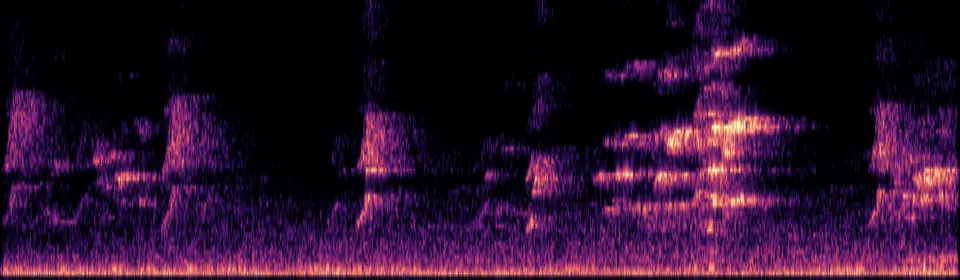
Spectrogram, 0 to 12 kHz over 4 seconds
Tue 24 Nov 06:09 match score 0.37 · 4 s
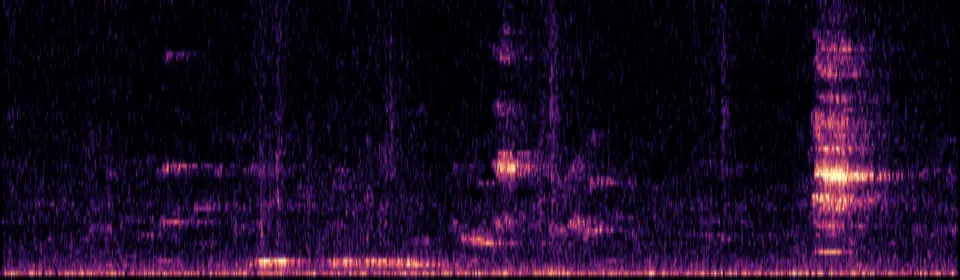
Spectrogram, 0 to 12 kHz over 4 seconds
Tue 24 Nov 05:51 match score 0.34 · 4 s
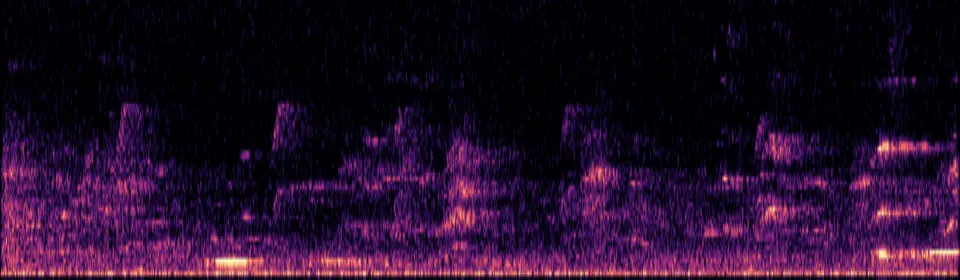
Spectrogram, 0 to 12 kHz over 4 seconds
Mon 23 Nov 18:12 match score 0.34 · 4 s
Scaly-breasted LorikeetTrichoglossus chlorolepidotus Possible 4
Scaly-breasted Lorikeet
(c) Nicole Brooker, some rights reserved (CC BY-NC), uploaded by Nicole Brooker

A green lorikeet with yellow scalloping on the breast, often in mixed flocks with rainbow lorikeets.

Call Shrill screeches in flight; hard to tell from rainbow lorikeets by ear.

When
Mon 23 Nov 18:24 to Tue 24 Nov 06:03
How often
4 detections in 2 recordings
Best match
0.38 (BirdNET)
Spectrogram, 0 to 12 kHz over 4 seconds
Mon 23 Nov 18:24 match score 0.38 · 4 s
Spectrogram, 0 to 12 kHz over 4 seconds
Tue 24 Nov 06:03 match score 0.26 · 4 s
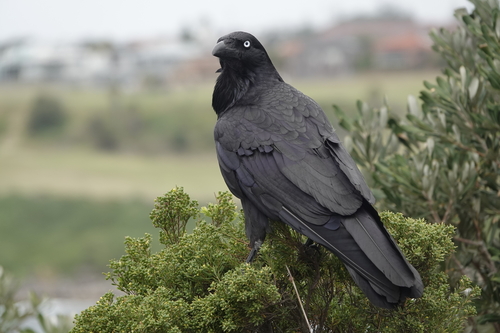
Australian RavenCorvus coronoides Possible 3
Australian Raven
(c) wellmaintainedhedge, some rights reserved (CC BY-NC), uploaded by wellmaintainedhedge

A large black crow with a white eye and shaggy throat feathers that puff out when it calls.

Call A slow, drawn-out wail, 'aah-aah-aaaaah', with the last note trailing away.

When
Tue 24 Nov 06:06 to Tue 24 Nov 06:06
How often
3 detections in 1 recording
Best match
0.49 (BirdNET)
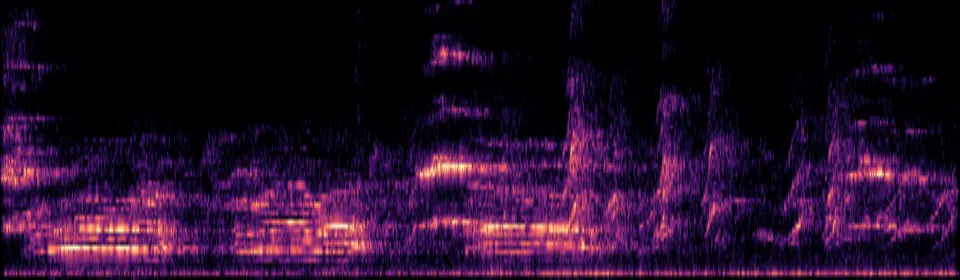
Spectrogram, 0 to 12 kHz over 4 seconds
Tue 24 Nov 06:06 match score 0.49 · 4 s
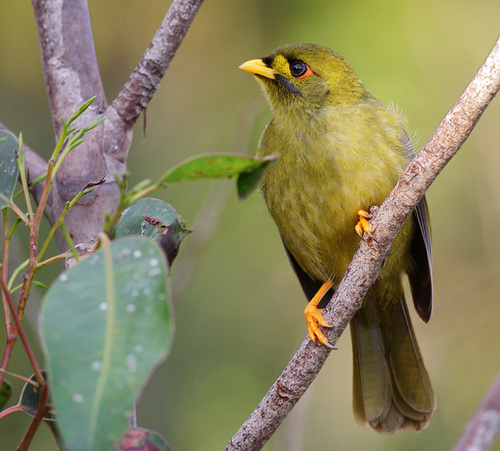
Bell MinerManorina melanophrys Possible 3
Bell Miner
(c) Leo, some rights reserved (CC BY-NC-SA)

A small olive-green honeyeater that lives in colonies in damp gullies.

Call An endless, tinkling 'tink' like a small bell, heard from colonies all day.

When
Mon 23 Nov 18:15 to Tue 24 Nov 08:33
How often
3 detections in 3 recordings
Best match
0.29 (BirdNET)
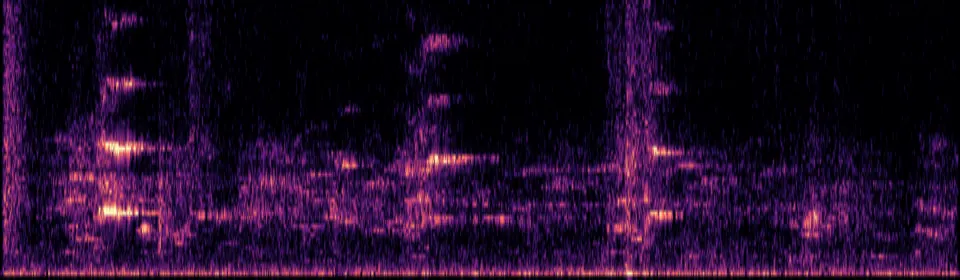
Spectrogram, 0 to 12 kHz over 4 seconds
Tue 24 Nov 05:57 match score 0.29 · 4 s
Spectrogram, 0 to 12 kHz over 4 seconds
Tue 24 Nov 08:33 match score 0.26 · 4 s
Spectrogram, 0 to 12 kHz over 4 seconds
Mon 23 Nov 18:15 match score 0.26 · 4 s
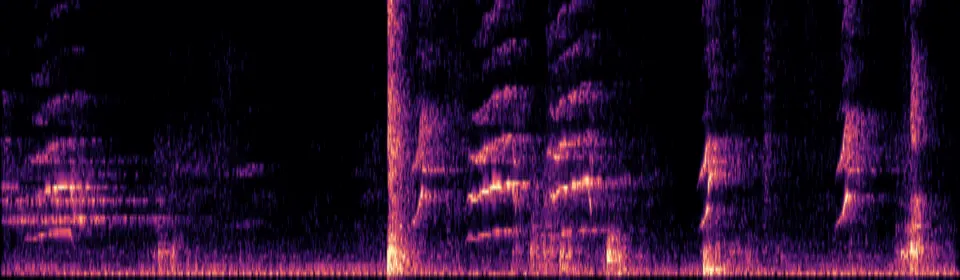
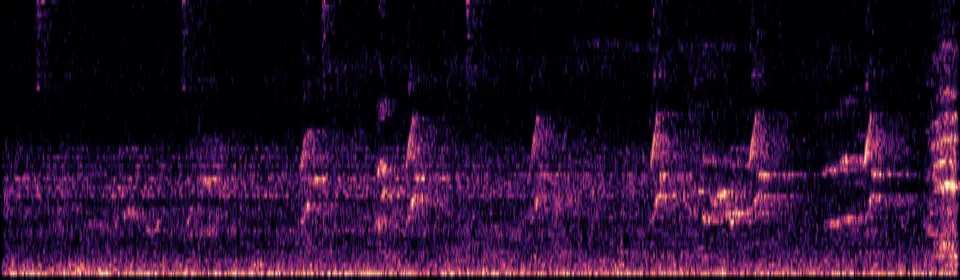
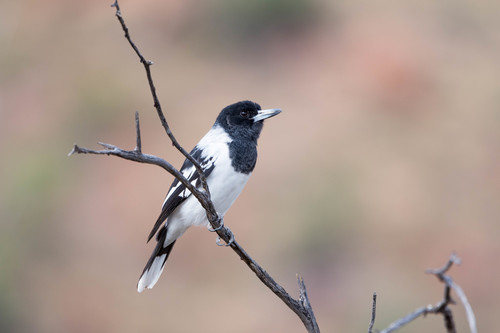
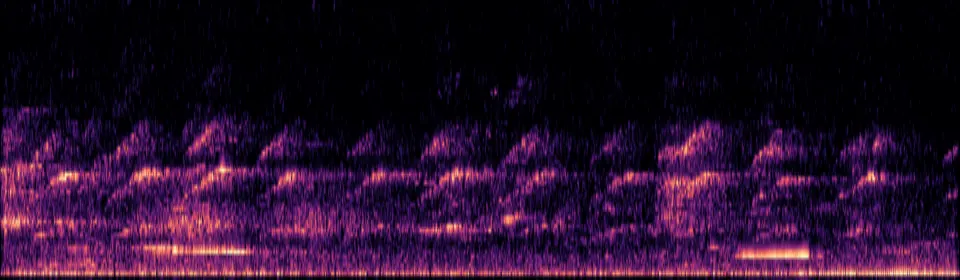
Pied ButcherbirdCracticus nigrogularis Possible 2
Pied Butcherbird
(c) Julius Simonelli, some rights reserved (CC BY-NC), uploaded by Julius Simonelli

A black-and-white butcherbird with a full black bib and hooked bill. Hunts lizards and insects from a perch.

Call Slow, rich, flute-like phrases, one of the finest songs in Australia, often before dawn and on moonlit nights.

When
Tue 24 Nov 05:51 to Tue 24 Nov 07:15
How often
2 detections in 2 recordings
Best match
0.37 (BirdNET)
Spectrogram, 0 to 12 kHz over 4 seconds
Tue 24 Nov 07:15 match score 0.37 · 4 s
Spectrogram, 0 to 12 kHz over 4 seconds
Tue 24 Nov 05:51 match score 0.29 · 4 s
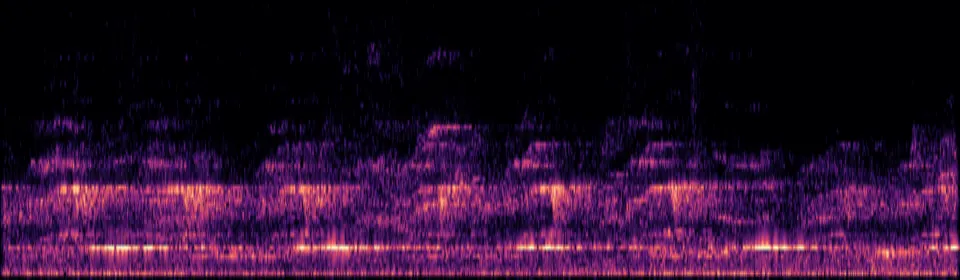
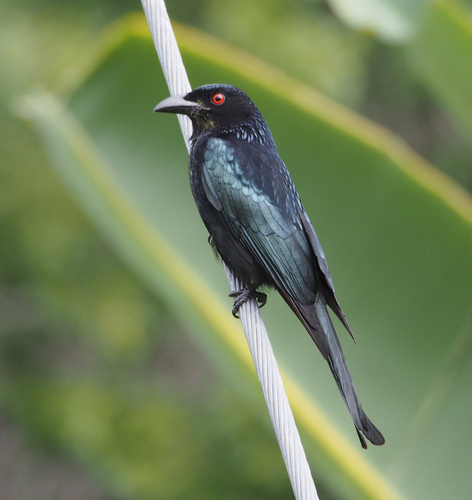
Spangled DrongoDicrurus bracteatus Possible 2
Spangled Drongo
(c) Jenny Donald, some rights reserved (CC BY-NC), uploaded by Jenny Donald

Glossy black with a red eye and a forked 'fish tail'. Arrives on the Central Coast in spring and catches insects in flight.

Call Metallic, crackling and sizzling notes, like a wire being plucked.

When
Tue 24 Nov 06:03 to Tue 24 Nov 06:09
How often
2 detections in 2 recordings
Best match
0.26 (BirdNET)
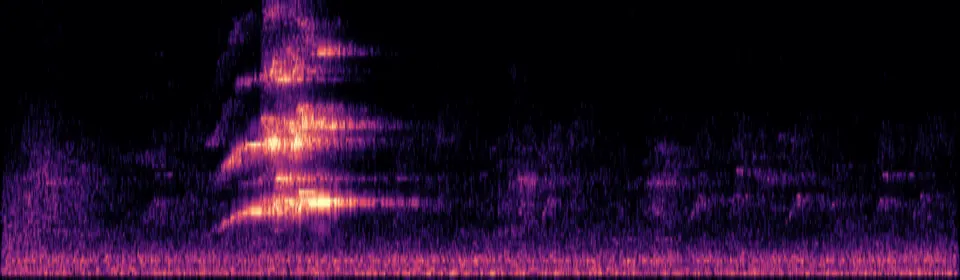
Spectrogram, 0 to 12 kHz over 4 seconds
Tue 24 Nov 06:03 match score 0.26 · 4 s
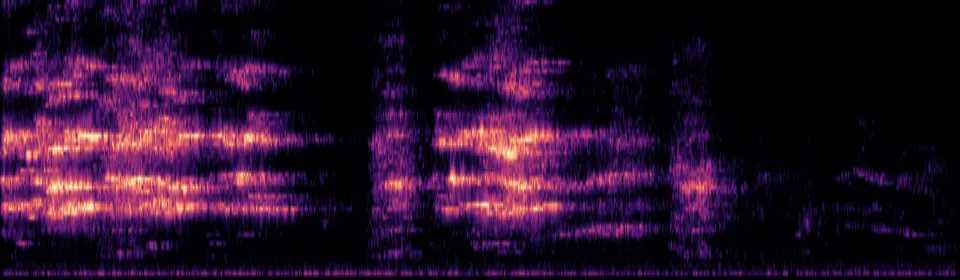
Spectrogram, 0 to 12 kHz over 4 seconds
Tue 24 Nov 06:09 match score 0.26 · 4 s
CicadabirdEdolisoma tenuirostre Possible 2
Cicadabird
(c) Steve Murray, some rights reserved (CC BY-NC), uploaded by Steve Murray

A slim grey bird of the canopy, rarely seen. A summer migrant from northern Australia and New Guinea.

Call A fast, buzzing trill repeated over and over, easily taken for a cicada.

When
Mon 23 Nov 19:54 to Mon 23 Nov 22:21
How often
2 detections in 2 recordings
Best match
0.31 (BirdNET)
Spectrogram, 0 to 12 kHz over 4 seconds
Mon 23 Nov 22:21 match score 0.31 · 4 s
Spectrogram, 0 to 12 kHz over 4 seconds
Mon 23 Nov 19:54 match score 0.26 · 4 s
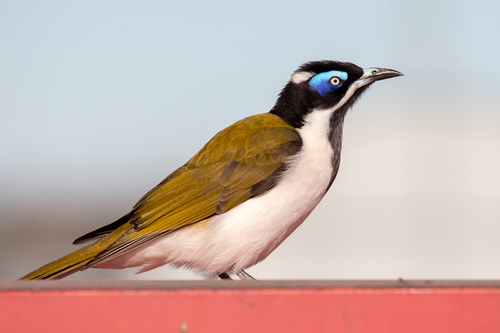
Blue-faced HoneyeaterEntomyzon cyanotis Possible 2
Blue-faced Honeyeater
(c) Andrew Allen, some rights reserved (CC BY), uploaded by Andrew Allen

A large honeyeater with bare blue skin around the eye, olive back and white underparts. Visits flowering trees and banana palms.

Call A loud, querulous 'ki-owt' and other ringing calls.

When
Mon 23 Nov 19:48 to Tue 24 Nov 07:33
How often
2 detections in 2 recordings
Best match
0.31 (BirdNET)
Spectrogram, 0 to 12 kHz over 4 seconds
Mon 23 Nov 19:48 match score 0.31 · 4 s
Spectrogram, 0 to 12 kHz over 4 seconds
Tue 24 Nov 07:33 match score 0.25 · 4 s
Superb LyrebirdMenura novaehollandiae Possible 1
Superb Lyrebird
(c) pdubbin, some rights reserved (CC BY-NC)

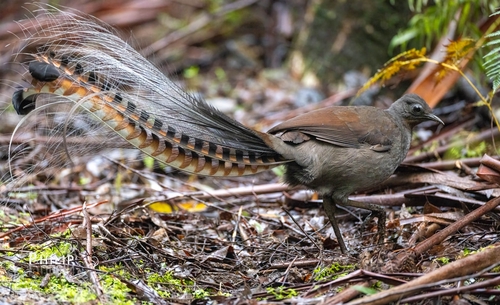
A ground-dwelling songbird of the forest floor; the male's tail opens into a lyre. Mimics other birds with uncanny accuracy.

Call Loud, rich song made mostly of other birds' calls, strongest in the winter display season. A single detection from a suburban balcony should be checked by ear.

When
Tue 24 Nov 06:48 to Tue 24 Nov 06:48
How often
1 detection in 1 recording
Best match
0.32 (BirdNET)
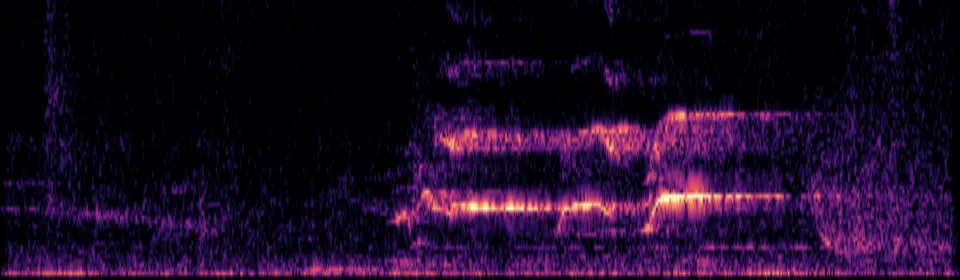
Spectrogram, 0 to 12 kHz over 2 seconds
Tue 24 Nov 06:48 match score 0.32 · 2 s
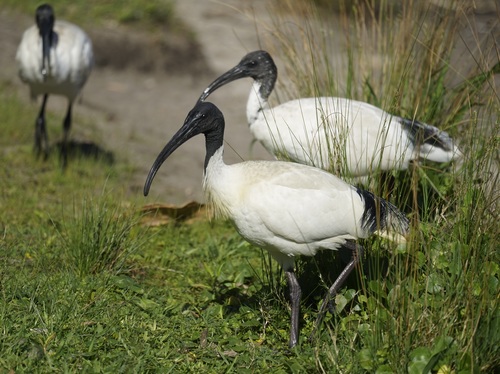
Australian White IbisThreskiornis molucca Possible 1
Australian White Ibis
(c) Tim, some rights reserved (CC BY), uploaded by Tim

A white ibis with a black bare head and long curved bill; the well-known 'bin chicken' of city parks.

Call Mostly silent; grunts and croaks at nesting colonies.

When
Mon 23 Nov 19:12 to Mon 23 Nov 19:12
How often
1 detection in 1 recording
Best match
0.34 (BirdNET)
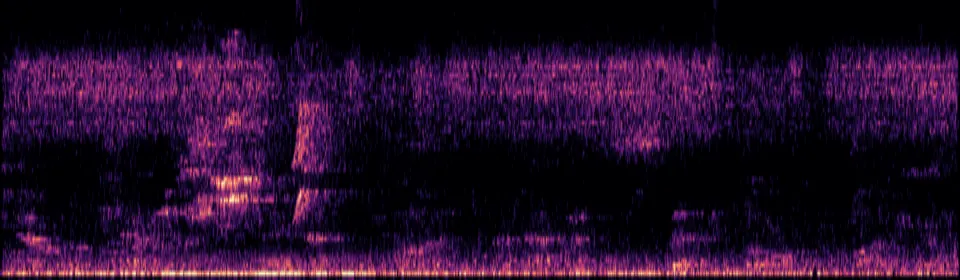
Spectrogram, 0 to 12 kHz over 4 seconds
Mon 23 Nov 19:12 match score 0.34 · 4 s

Mammals 1

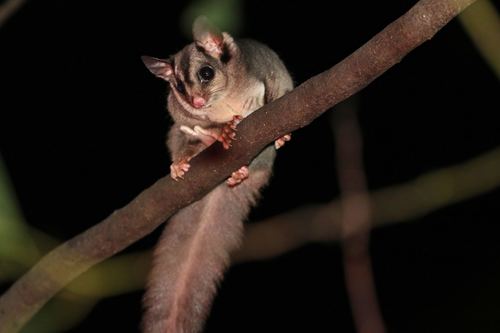
Krefft's gliderPetaurus breviceps Strong matchListen before you believe it 54
Krefft's glider
(c) Ian D B Moodie, some rights reserved (CC BY-NC), uploaded by Ian D B Moodie

A small gliding possum with a furred membrane from wrist to ankle. Lives in groups in tree hollows and feeds on sap, gum, nectar and insects. Gliders on the NSW coast, once called sugar gliders, were split off as Krefft's glider in 2020; Perch still uses the old name.
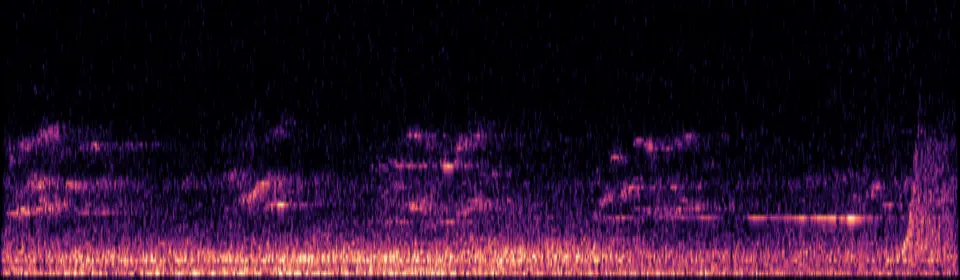
Call A soft, repeated 'yap-yap-yap' like a small dog, and harsh chattering when disturbed.

Perch learned mostly from birds and has few mammal recordings to go on. Treat this as a lead to listen to, not a record, until someone has checked the clips by ear.

When
Mon 23 Nov 23:48 to Tue 24 Nov 00:33
How often
54 detections in 4 recordings, 29 strong
Best match
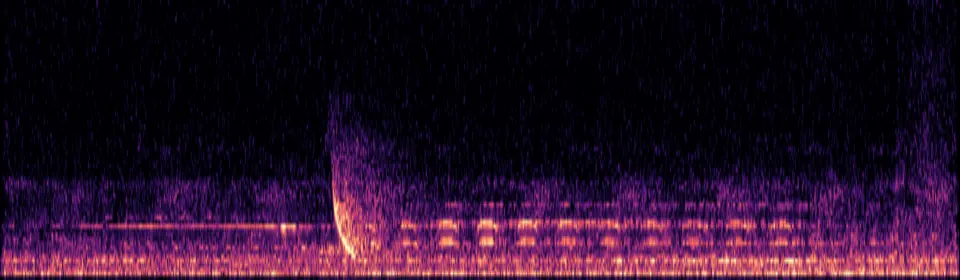
0.91 (Perch)
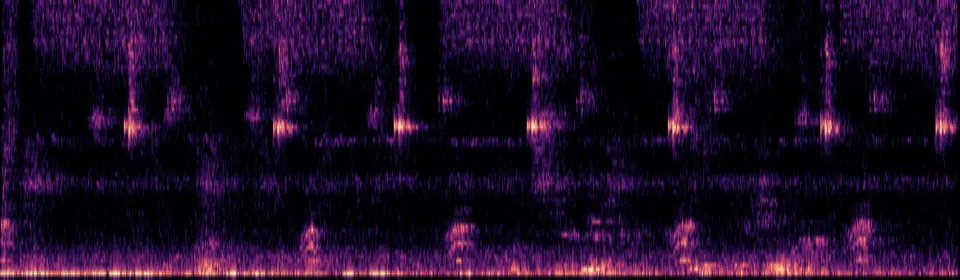
Spectrogram, 0 to 12 kHz over 5 seconds
Tue 24 Nov 00:33 match score 0.91 · 5 s
Spectrogram, 0 to 12 kHz over 5 seconds
Mon 23 Nov 23:57 match score 0.83 · 5 s
Spectrogram, 0 to 12 kHz over 5 seconds
Mon 23 Nov 23:54 match score 0.74 · 5 s

Frogs 4

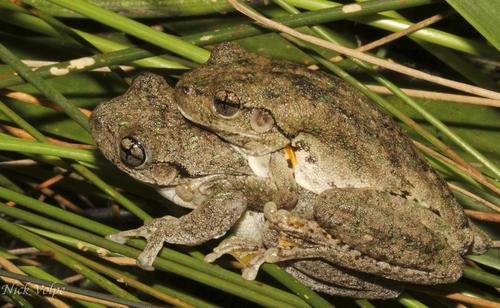
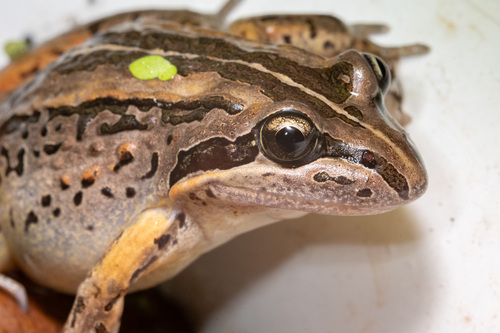
Peron's tree frogLitoria peronii Confident 184
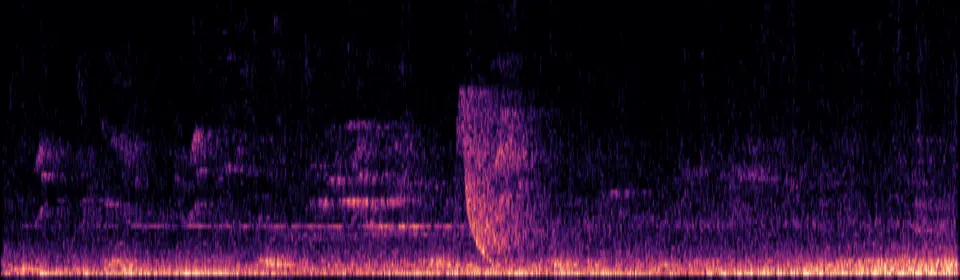
Peron's tree frog
(c) Nick Volpe, some rights reserved (CC BY-NC), uploaded by Nick Volpe

A grey-brown tree frog flecked with emerald green, with a cross-shaped pupil. Often found in gardens, downpipes and water tanks.

Call A long, descending, rattling cackle, which gives it the name 'laughing tree frog'.

When
Mon 23 Nov 20:57 to Tue 24 Nov 02:24
How often
184 detections in 57 recordings, 3 confident
Best match
0.60 (Perch)
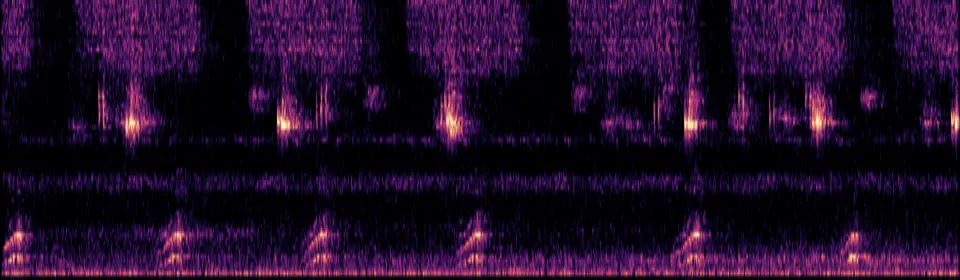
Spectrogram, 0 to 12 kHz over 5 seconds
Mon 23 Nov 23:00 match score 0.60 · 5 s
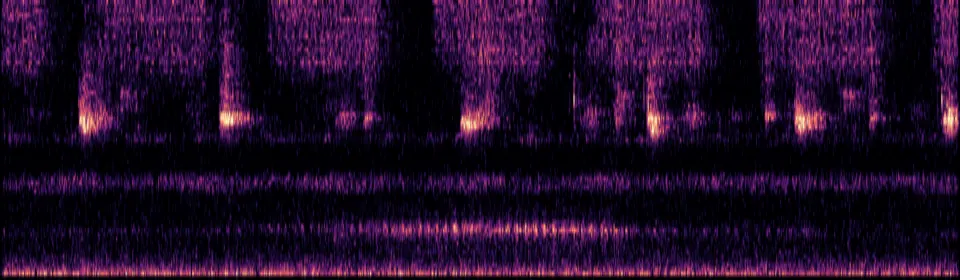
Spectrogram, 0 to 12 kHz over 5 seconds
Tue 24 Nov 00:03 match score 0.56 · 5 s
Spectrogram, 0 to 12 kHz over 5 seconds
Mon 23 Nov 22:54 match score 0.42 · 5 s
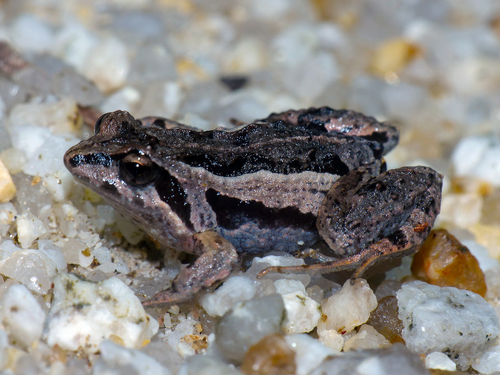
Common eastern frogletCrinia signifera Possible 50
Common eastern froglet
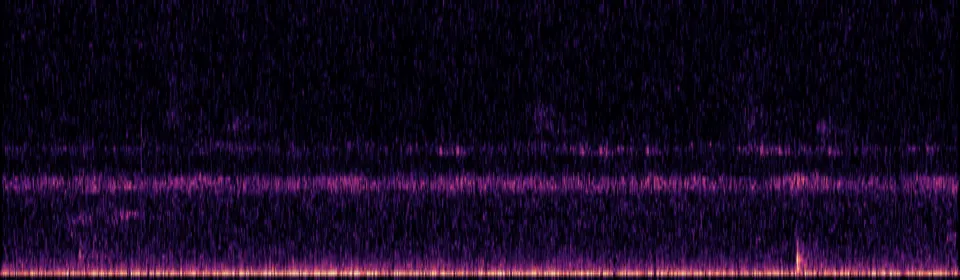
(c) Simon Grove, some rights reserved (CC BY-NC), uploaded by Simon Grove

A tiny brown frog of damp ground, ditches and puddles. Calls in almost every month of the year.

Call Repeated 'crick-crick-crick' chirps, easily taken for a cricket.

When
Mon 23 Nov 20:33 to Tue 24 Nov 05:06
How often
50 detections in 29 recordings
Best match
0.41 (Perch)
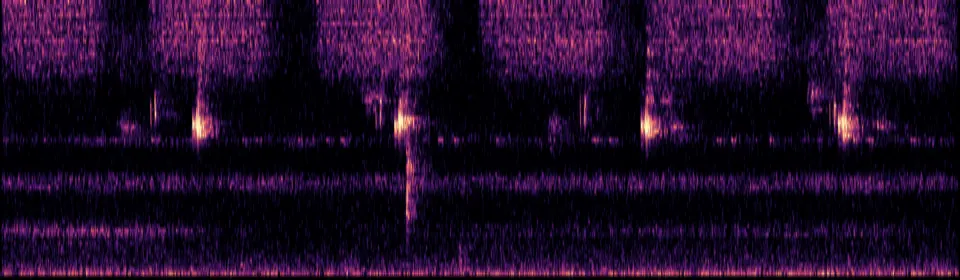
Spectrogram, 0 to 12 kHz over 5 seconds
Mon 23 Nov 20:42 match score 0.41 · 5 s
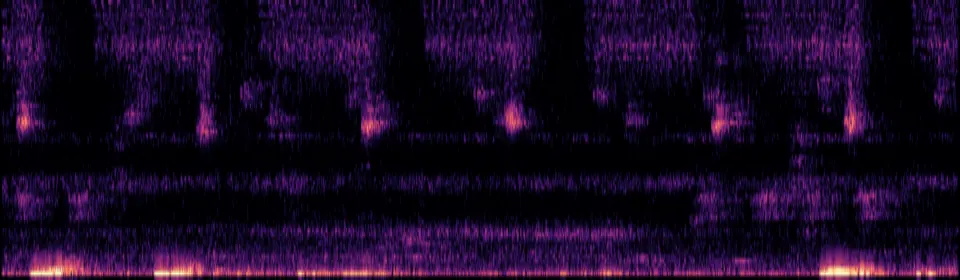
Spectrogram, 0 to 12 kHz over 5 seconds
Mon 23 Nov 21:21 match score 0.36 · 5 s
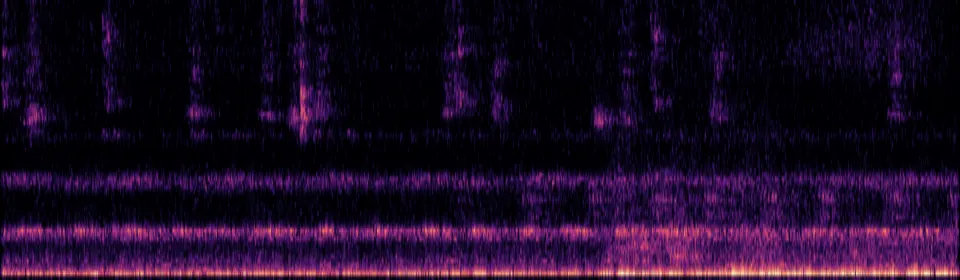
Spectrogram, 0 to 12 kHz over 5 seconds
Mon 23 Nov 21:33 match score 0.28 · 5 s
Striped marsh frogLimnodynastes peronii Possible 4
Striped marsh frog
(c) Ebony Reeves, some rights reserved (CC BY-NC), uploaded by Ebony Reeves

A striped brown frog of ponds and drains, common in suburbs.

Call A single soft 'tok' or 'whuck', like a tennis ball being hit, repeated slowly.

When
Tue 24 Nov 01:51 to Tue 24 Nov 03:15
How often
4 detections in 2 recordings
Best match
0.19 (Perch)
Spectrogram, 0 to 12 kHz over 5 seconds
Tue 24 Nov 03:15 match score 0.19 · 5 s
Spectrogram, 0 to 12 kHz over 5 seconds
Tue 24 Nov 01:51 match score 0.17 · 5 s
Eastern banjo frog (pobblebonk)Limnodynastes dumerilii Possible 3
Eastern banjo frog (pobblebonk)
no rights reserved, uploaded by Connor Margetts

A stout burrowing frog that calls from dams and ponds after rain.

Call A resonant 'bonk' like a plucked banjo string; a chorus sounds like 'pobblebonk'.

When
Mon 23 Nov 18:09 to Mon 23 Nov 23:09
How often
3 detections in 2 recordings
Best match
0.16 (Perch)
Spectrogram, 0 to 12 kHz over 5 seconds
Mon 23 Nov 18:09 match score 0.15 · 5 s

Insects 3

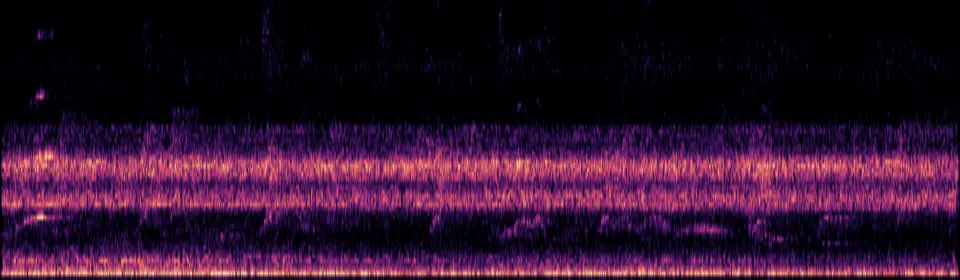
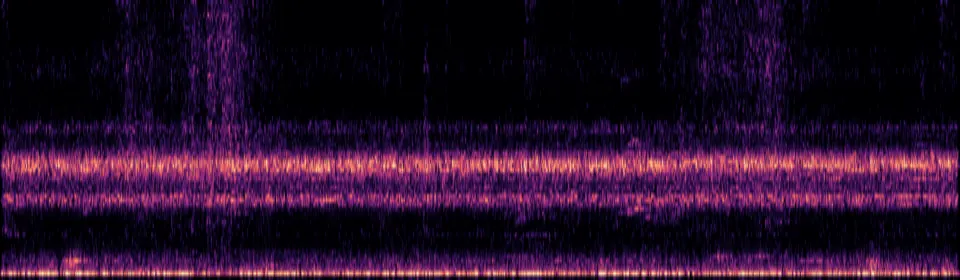
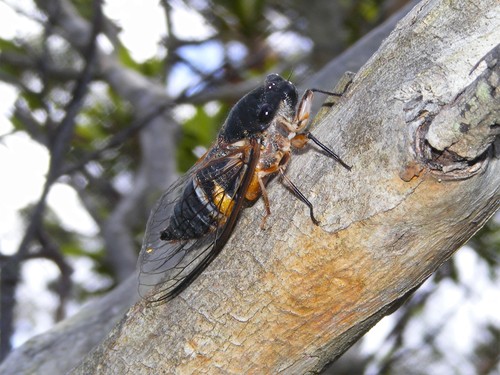
Black prince cicadaPsaltoda plaga Confident 72
Black prince cicada
(c) andrewpavlov, some rights reserved (CC BY-NC), uploaded by andrewpavlov

A large black-and-brown cicada of coastal eucalypts, out in early summer.

Call A loud, sustained drone that swells and pulses on hot days.

When
Mon 23 Nov 15:27 to Mon 23 Nov 20:06
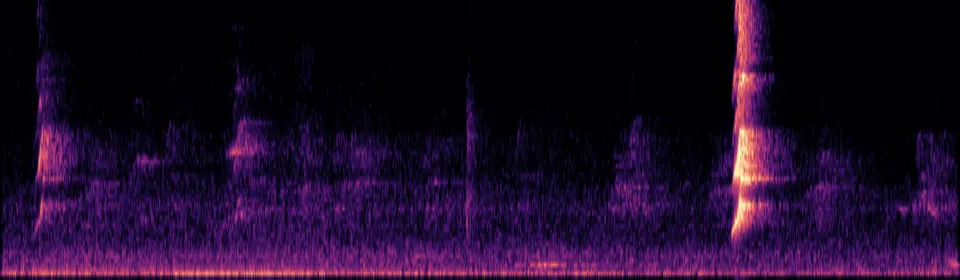
How often
72 detections in 18 recordings, 20 confident
Best match
0.86 (Perch)
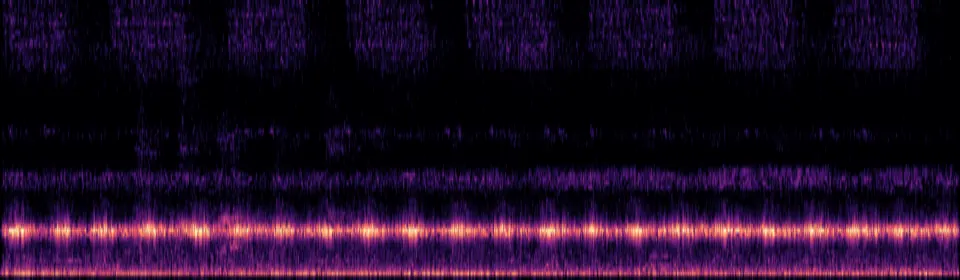
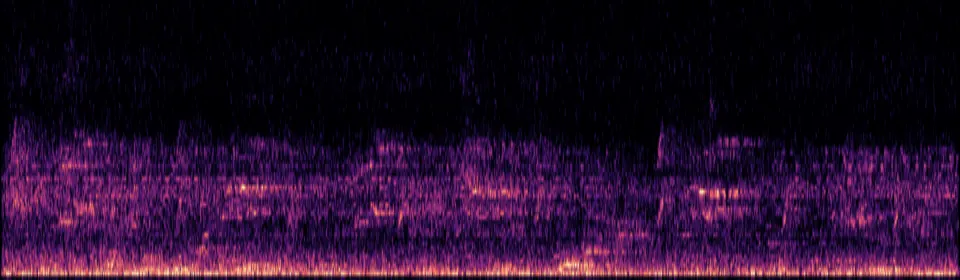
Spectrogram, 0 to 12 kHz over 5 seconds
Mon 23 Nov 16:00 match score 0.86 · 5 s
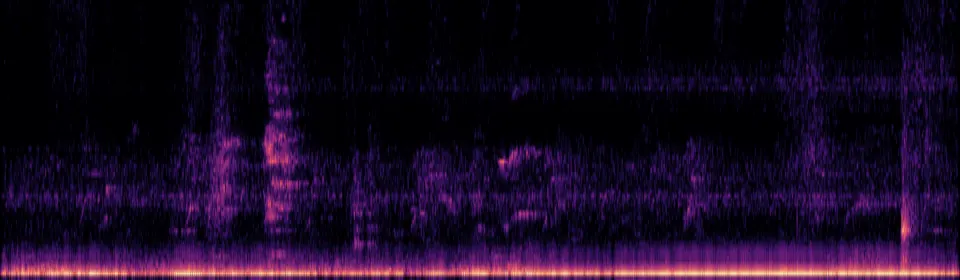
Spectrogram, 0 to 12 kHz over 5 seconds
Mon 23 Nov 16:18 match score 0.81 · 5 s
Spectrogram, 0 to 12 kHz over 5 seconds
Mon 23 Nov 17:48 match score 0.68 · 5 s
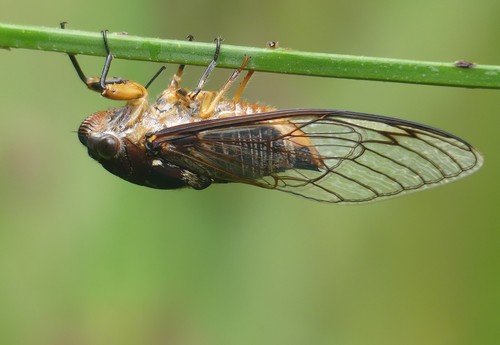
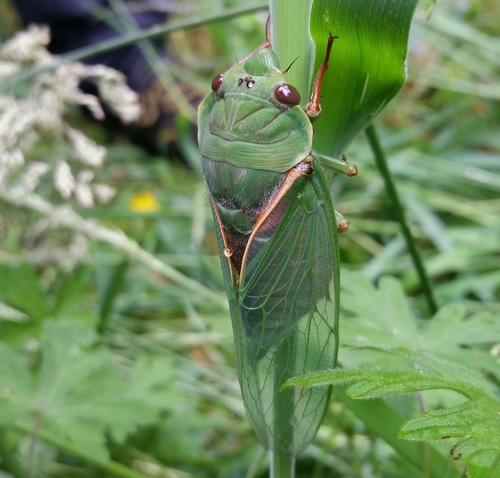
Green grocer cicadaCyclochila australasiae Possible 4
Green grocer cicada
(c) Tamara Leitch, some rights reserved (CC BY-NC-ND), uploaded by Tamara Leitch

A big green cicada and one of the loudest insects in the world. Nymphs spend years underground feeding on roots.

Call A shrill, deafening whine that can pass 100 decibels close up, peaking on hot afternoons.

When
Mon 23 Nov 20:15 to Tue 24 Nov 02:03
How often
4 detections in 3 recordings
Best match
0.25 (Perch)
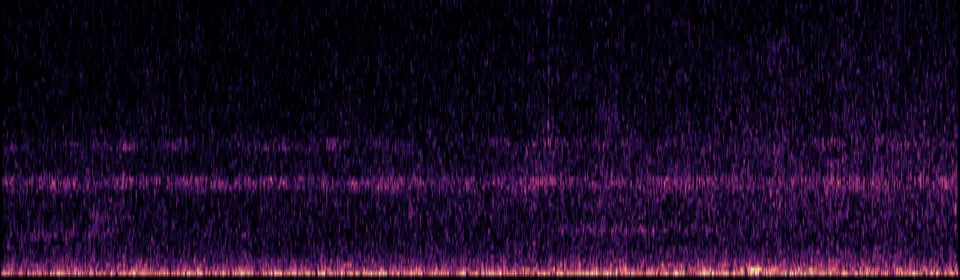
Spectrogram, 0 to 12 kHz over 5 seconds
Tue 24 Nov 02:03 match score 0.25 · 5 s
Spectrogram, 0 to 12 kHz over 5 seconds
Mon 23 Nov 20:15 match score 0.15 · 5 s
Spectrogram, 0 to 12 kHz over 5 seconds
Mon 23 Nov 21:09 match score 0.12 · 5 s
Yellowbelly cicadaPsaltoda harrisii Possible 3
Yellowbelly cicada
(c) jhannan, some rights reserved (CC BY-NC), uploaded by jhannan

A large cicada with a yellowish underside, found in coastal NSW eucalypts in summer.

Call A loud, rattling drone from the trees in warm weather.

When
Mon 23 Nov 16:06 to Mon 23 Nov 21:42
How often
3 detections in 3 recordings
Best match
0.16 (Perch)
Spectrogram, 0 to 12 kHz over 5 seconds
Mon 23 Nov 18:15 match score 0.16 · 5 s
Spectrogram, 0 to 12 kHz over 5 seconds
Mon 23 Nov 16:06 match score 0.15 · 5 s
Spectrogram, 0 to 12 kHz over 5 seconds
Mon 23 Nov 21:42 match score 0.11 · 5 s

Bats 3

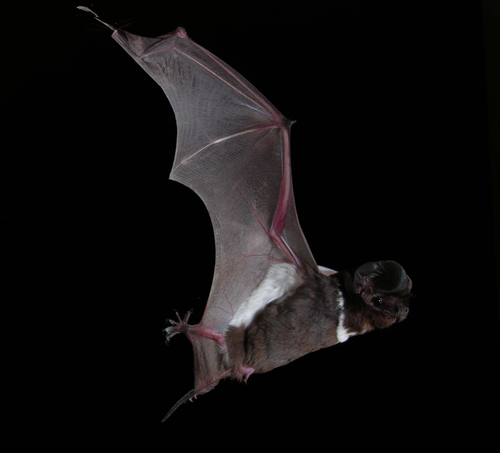
White-striped free-tailed batAustronomus australis Likely 4
White-striped free-tailed bat
(c) Michael Pennay, some rights reserved (CC BY-NC-ND)

A large, fast free-tailed bat with white stripes under the wings. Hunts high above the canopy. Its call is so low that many people can hear it as a metallic 'ting' overhead on warm nights.

Call Flat calls at about 10 to 15 kHz, the lowest of any local bat.

When
Mon 23 Nov 20:57 to Tue 24 Nov 01:09
How often
4 passes, 22 calls
Call
Fc 13.1 kHz, 21.3 to 11.8 kHz, 17.4 ms, curved
Could be
Austronomus australis
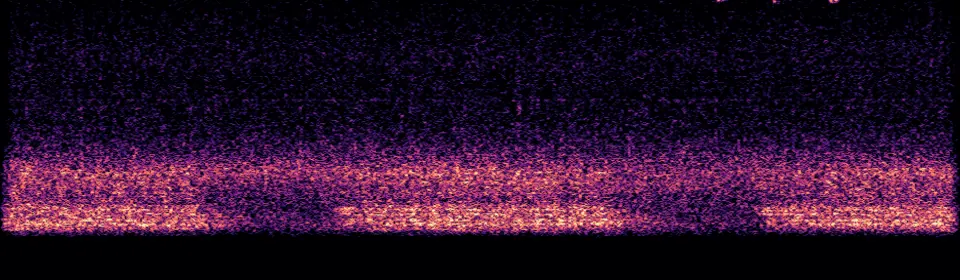
Spectrogram, 0 to 51 kHz over 1.5 seconds
Mon 23 Nov 20:57 10 calls · Fc 11.6 kHz · 13.42 ms · curved 1.5 s, played 10x slower
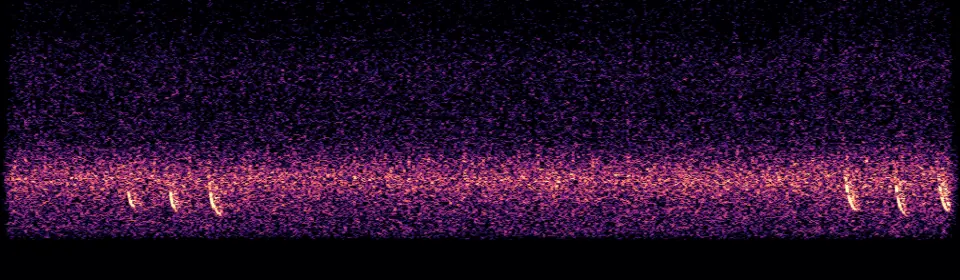
Spectrogram, 0 to 55 kHz over 1.5 seconds
Tue 24 Nov 01:09 6 calls · Fc 14.6 kHz · 18.17 ms · curved 1.5 s, played 10x slower
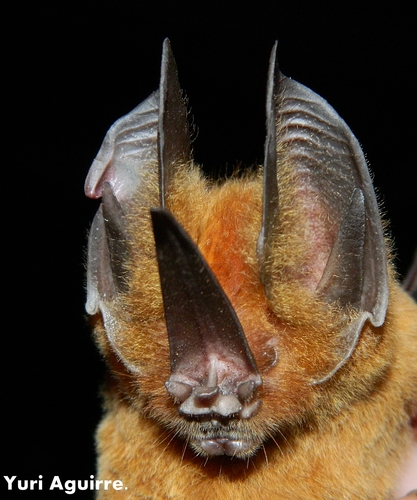
25-33 kHz group Call group 7
25-33 kHz group
(c) yuriaguire88, some rights reserved (CC BY-NC), uploaded by yuriaguire88

A group, not a species. Gould's wattled bat and the eastern free-tailed bats call in this band; separating them needs a closer look at call shape.

Call Flat or curved calls with a characteristic frequency of 25 to 33 kHz.

When
Tue 24 Nov 00:27 to Tue 24 Nov 04:33
How often
7 passes, 96 calls
Call
Fc 30.6 kHz, 32.0 to 16.2 kHz, 15.3 ms, curved
Could be
Gould's wattled bat, eastern free-tailed bats (Ozimops)
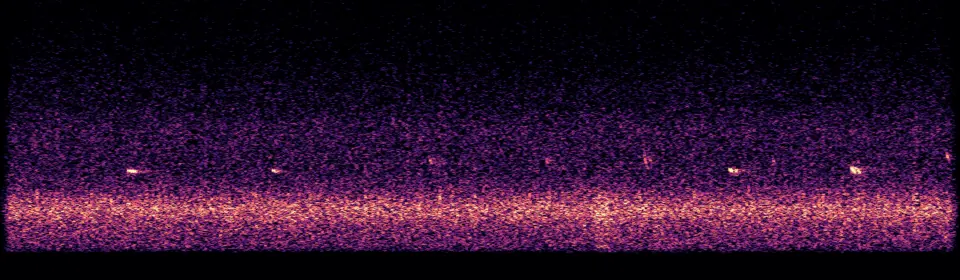
Spectrogram, 0 to 79 kHz over 1.5 seconds
Tue 24 Nov 02:36 21 calls · Fc 30.4 kHz · 14.0 ms · curved 1.5 s, played 10x slower
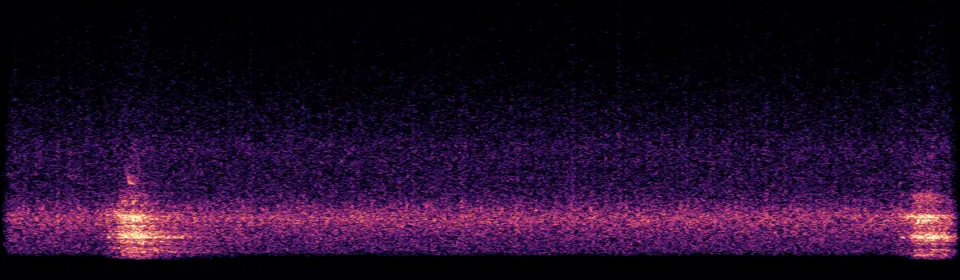
Spectrogram, 0 to 90 kHz over 1.5 seconds
Tue 24 Nov 04:33 12 calls · Fc 30.8 kHz · 12.75 ms · curved 1.5 s, played 10x slower
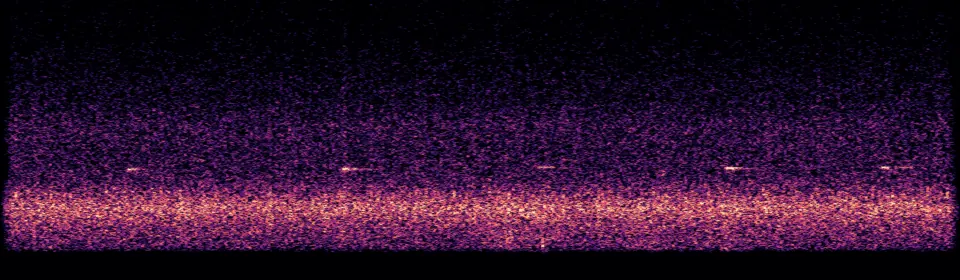
Spectrogram, 0 to 77 kHz over 1.5 seconds
Tue 24 Nov 02:39 4 calls · Fc 30.55 kHz · 16.75 ms · curved 1.5 s, played 10x slower
Low flat caller, 15-25 kHz Call group 4
Low flat caller, 15-25 kHz
(c) yuriaguire88, some rights reserved (CC BY-NC), uploaded by yuriaguire88

A group, not a species. Bats calling this low are usually the yellow-bellied sheathtail bat or one of the free-tailed bats.

Call Flat or slightly curved calls with a characteristic frequency of 15 to 25 kHz.

When
Tue 24 Nov 00:27 to Tue 24 Nov 04:15
How often
4 passes, 24 calls
Call
Fc 20.9 kHz, 30.4 to 15.5 kHz, 11.6 ms, curved
Could be
Yellow-bellied sheathtail bat, free-tailed bats
Spectrogram, 0 to 96 kHz over 1.5 seconds
Tue 24 Nov 00:27 16 calls · Fc 21.2 kHz · 13.84 ms · curved 1.5 s, played 10x slower
Spectrogram, 0 to 76 kHz over 1.5 seconds
Tue 24 Nov 04:15 4 calls · Fc 20.6 kHz · 9.33 ms · curved 1.5 s, played 10x slower
Spectrogram, 0 to 56 kHz over 1.5 seconds
Tue 24 Nov 01:54 2 calls · Fc 19.9 kHz · 5.58 ms · curved 1.5 s, played 10x slower

Not shown: single bat calls and daytime clicks flagged as probable noise, and loud night sounds that no model put a name to. Those stay in the private report.